Roof vent repair restores the seal and airflow of a damaged vent on your roof. For Miller Place homeowners, that usually means resealing or replacing failed flashing, a cracked vent boot, or a rusted housing before water reaches the attic.
Vents are small, and that is exactly why they get overlooked. A single failed pipe boot on a North Shore ranch can soak insulation for months before a ceiling stain appears. Understanding how these units fail, and how quickly they can be fixed, keeps a minor repair from turning into decking work.
Roof Vent Repair: What Miller Place Homeowners Should Know
Roof vent repair covers every fix that returns a vent to a watertight, free-breathing condition. That includes flashing repair, boot replacement, resealing collars, clearing blocked intake, and securing loose housings after wind events.
Leaks remain common enough to take seriously. According to the 2023 American Housing Survey from HUD and the U.S. Census Bureau, 4.4 percent of American households reported roof leaks, down from 7.6 percent in 1973 but still millions of homes every year.
What Is Roof Vent Repair?
Roof vent repair is targeted work on one part of the roof rather than the whole system. A roofer isolates the failed component, corrects the underlying cause, and reseals the penetration so water sheds away from the opening.
Expert tip: check your attic before you check the roof. Water travels along rafters, so the wet spot inside is often several feet from the actual entry point. Photographing the damp area on a bright day gives any roofer a much faster starting point.
What Causes a Roof Vent to Leak?
Most roof vent leaks start at the seam where the vent meets the shingles. Flashing lifts, sealant dries out, nails back out, and the rubber collar on a plumbing boot splits from years of sun exposure.
Poor original installation is the second driver. Vents set too low on a slope, fastened over rather than under the upper course of shingles, or sealed with caulk instead of proper flashing will leak regardless of how new the roof looks from the driveway.
Causes of Roof Vent Damage in Miller Place
Coastal Long Island weather does most of the damage. Wind-driven rain, salt air, freeze and thaw cycles, and heavy summer sun all attack the weakest point on the roof, which is almost always a penetration.
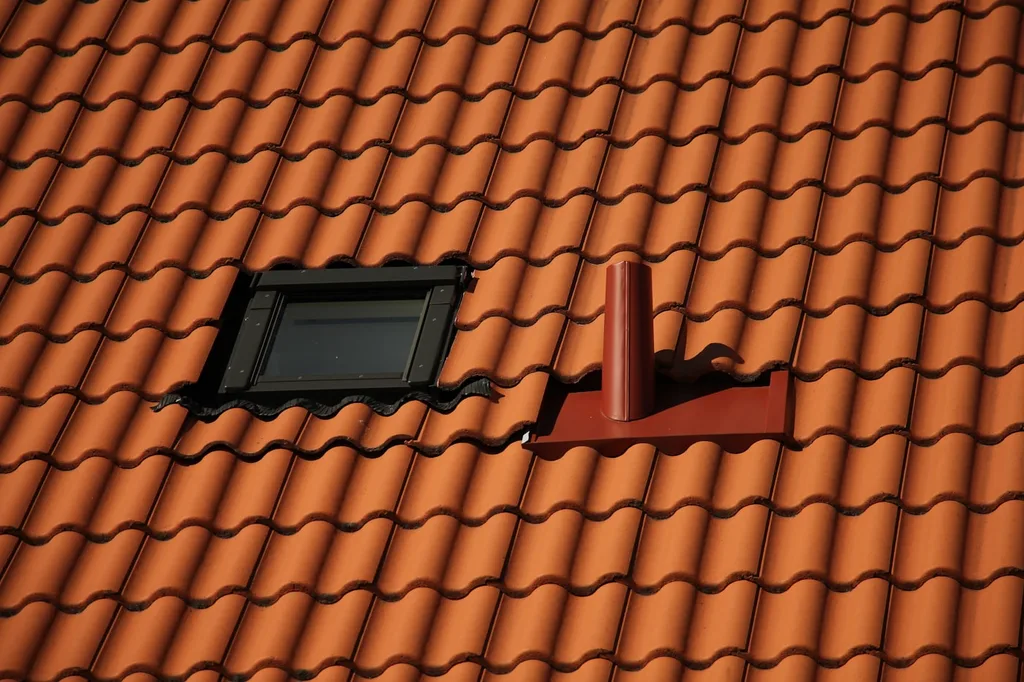
Severe weather is not rare anymore. NOAA's National Centers for Environmental Information counted 27 separate billion-dollar weather and climate disasters across the United States in 2024, including 17 severe storm events and two winter storms.
The VENT Check
Run this four-step framework twice a year. It takes ten minutes and catches nearly every vent problem while the fix is still small.
- V for View: look at each vent from the ground with binoculars for tilt, rust, or lifted flashing
- E for Examine: inspect the attic underside of every penetration for stains, rust marks, or damp insulation
- N for Note: record when leaks appear, since wind-driven rain, snowmelt, and steady rain each point to different failures
- T for Test: confirm air is actually moving at soffit intake and ridge or box exhaust
The order matters. Homeowners who check the attic before climbing anywhere gather better evidence and stay safer doing it.
Can a Damaged Roof Vent Be Repaired?
Yes, in most cases. If the vent housing is intact and the deck beneath it is solid, a roofer repairs the flashing or boot and the unit performs like new. Replacement becomes necessary when the housing itself is cracked, crushed, or corroded through.
Consider a hypothetical Miller Place colonial with a brown ceiling ring near the bathroom. The homeowner assumed the shingles had failed. The actual cause was a split plumbing boot roughly four feet uphill. One boot replacement and a small section of underlayment solved a problem that looked like a roof replacement.
Roof Vent Repair vs. Replacement
Repair fits isolated damage on a roof with remaining service life. Replacement fits corroded housings, obsolete vent styles, or a ventilation system that never had enough intake to work correctly in the first place.
Attic performance is the deciding factor. The 2023 American Housing Survey found that 13.2 million households were uncomfortably hot for 24 hours or more that year, a discomfort pattern that poor attic exhaust makes noticeably worse in upstairs bedrooms.
Should You Repair or Replace a Roof Vent?
Repair when the problem is a seal, a fastener, or flashing. Replace when the unit is rusted through, physically deformed, or wrong for the roof. Replace also when several vents on the same slope are failing together, since they aged together too.
Balance drives the decision as much as the condition. Guidance from the Department of Energy's Building America Solution Center notes that exhaust vent area should not exceed intake vent area, because unbalanced systems pull conditioned air out of the house instead of moving attic air.
How Much Does Roof Vent Repair Cost?
Cost tracks scope. Resealing one flashing sits at the low end, a boot replacement lands in the middle, and repairs involving rotted decking or several vents cost more because the work extends beyond the vent itself.
Three factors move the number: how many units need attention, whether the deck below is compromised, and roof access difficulty on steep or multi-slope homes. A written estimate after an on-site inspection is the only reliable figure, and Miller Place homeowners should insist on one before work begins.
How Professional Roof Vent Repair Works
A professional repair follows a fixed sequence: inspect the attic and roof, identify the true entry point, remove the damaged component, correct any decking damage, install new flashing or hardware, and verify the seal.
Ventilation carries real consequences. ENERGY STAR guidance on attic ventilation explains that winter airflow keeps the attic cold and reduces ice damming, while summer airflow moves super-heated air out and protects roof shingles.
How Long Does Roof Vent Repair Take?
Most single-vent repairs finish in one visit, often within a few hours. Weather delays matter more than labor time, since sealants and flashing need dry conditions to bond correctly on a Miller Place roof.
Larger jobs run longer. Multiple failed vents, rotted sheathing, or a ventilation redesign that adds intake at the soffits can extend the work into a second day. A thorough roof inspection up front sets an accurate timeline.
How Can You Prevent Roof Vent Leaks?
Prevention is cheap compared with decking repair. Work through this list each spring and fall:
- Clear leaves and debris from around every vent and valley
- Check attic insulation for damp patches after heavy rain
- Confirm soffit vents are not blocked by insulation
- Look for rust streaks, cracked sealant, or lifted flashing
- Verify bath and kitchen fans exhaust outside, never into the attic
- Schedule a professional inspection after any severe storm
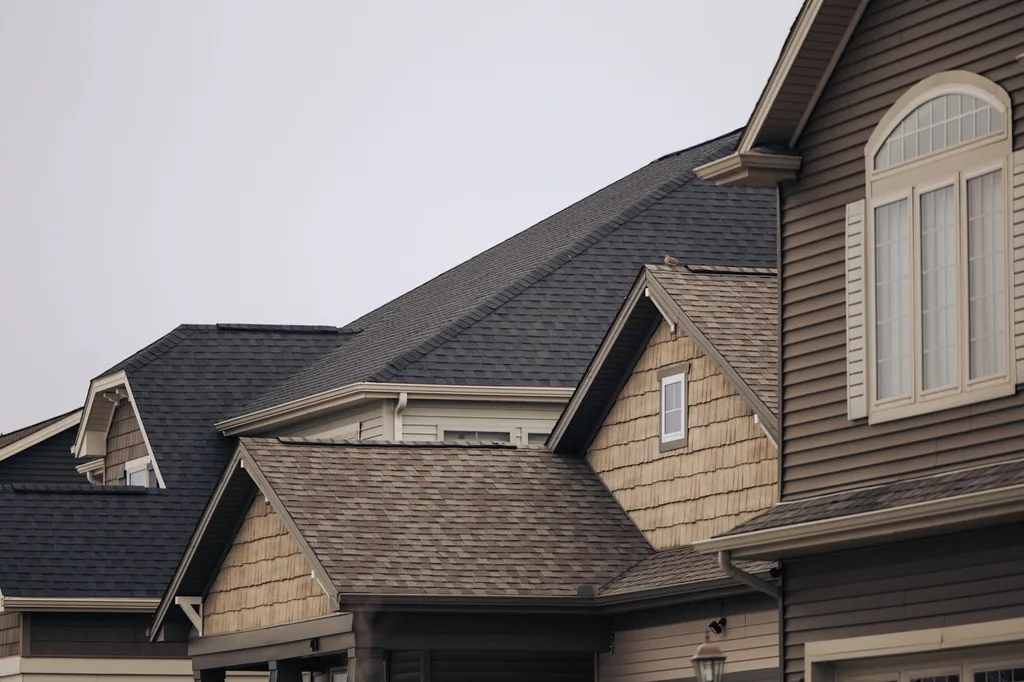
Balanced airflow does the rest. The Building America Solution Center at Pacific Northwest National Laboratory notes that ventilating an unconditioned attic saves energy in summer, prevents mold and rot from winter moisture, and helps prevent ice dam damage. Correcting attic ventilation protects every other repair you make.
Frequently Asked Questions
What are the first signs a roof vent needs repair?
Watch for ceiling stains near bathrooms or kitchens, rust streaks on the vent housing, damp attic insulation, daylight visible around a penetration, and musty attic odor. Any one of these justifies an inspection before the next heavy rain.
Can I repair a roof vent myself?
Sealant applied from above frequently traps water rather than stopping it, and roof work carries real fall risk. Correct repair requires lifting shingle courses and installing flashing in the proper order, which is why professional repair lasts longer.
Does a leaking roof vent mean I need a new roof?
Usually not. A failed vent is a single penetration problem, not a whole-system failure. Full replacement makes sense when leaks appear in multiple locations, shingles are curling across the roof, or the roof is near the end of its service life.
How often should roof vents be inspected in Miller Place?
Twice a year is the practical standard, once in spring and once in fall, plus a check after any severe coastal storm. Vents are the most common leak point, so they deserve attention on every inspection.
Conclusion
Roof vent repair protects the smallest and most vulnerable part of your roof. Miller Place homeowners who catch a split boot or lifted flashing early avoid soaked insulation, mold, and decking work. Run the VENT Check each spring and fall, and treat any attic moisture as a reason to schedule an inspection.
Tom Jannace Roofing, Inc. provides residential roof repair and inspection, storm damage roof repair, and attic ventilation for homeowners throughout Miller Place, NY. The GAF-certified crew is licensed, insured, and uses no subcontractors. Call (631) 751-4734 for a free inspection and honest written estimate.