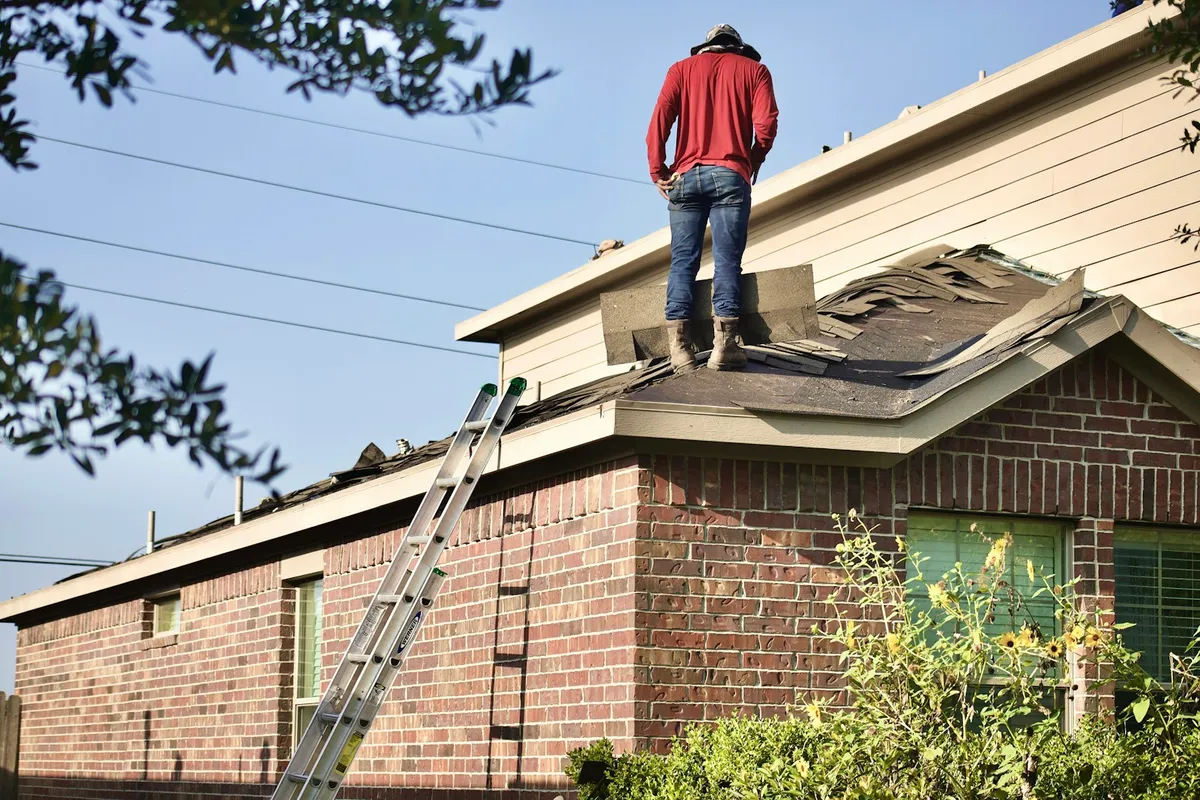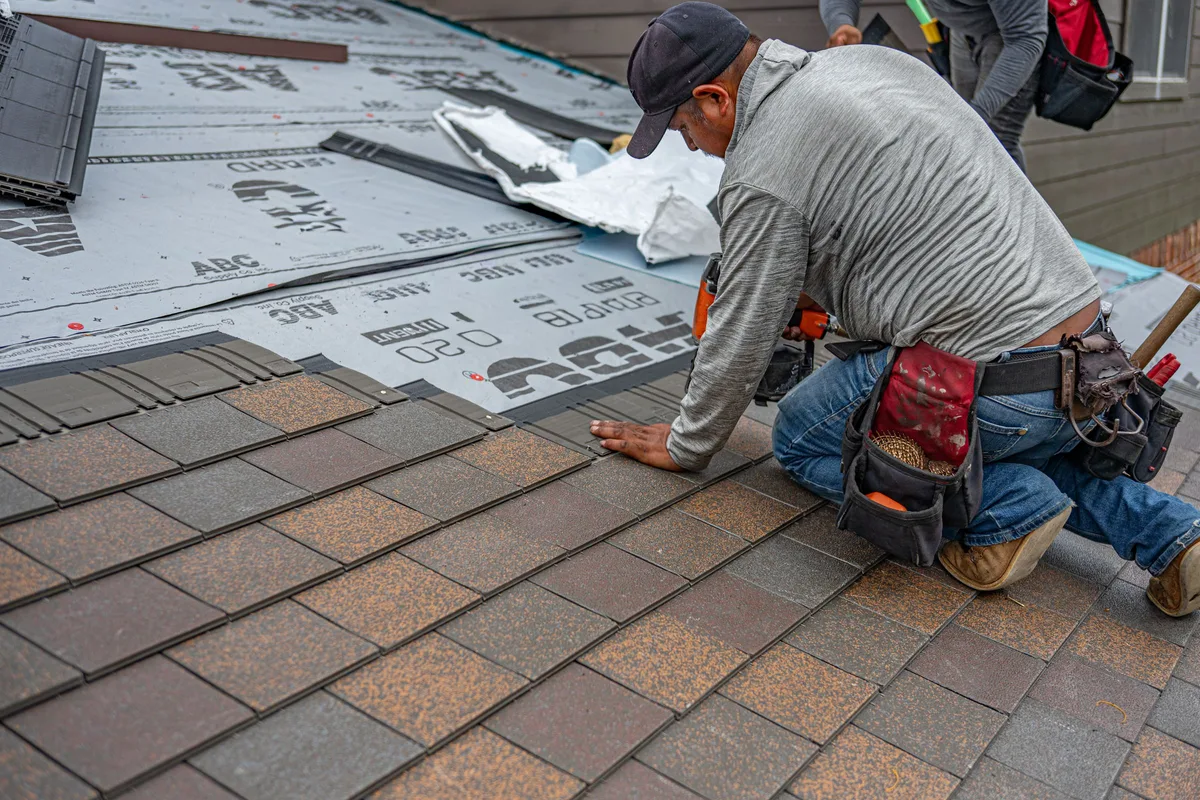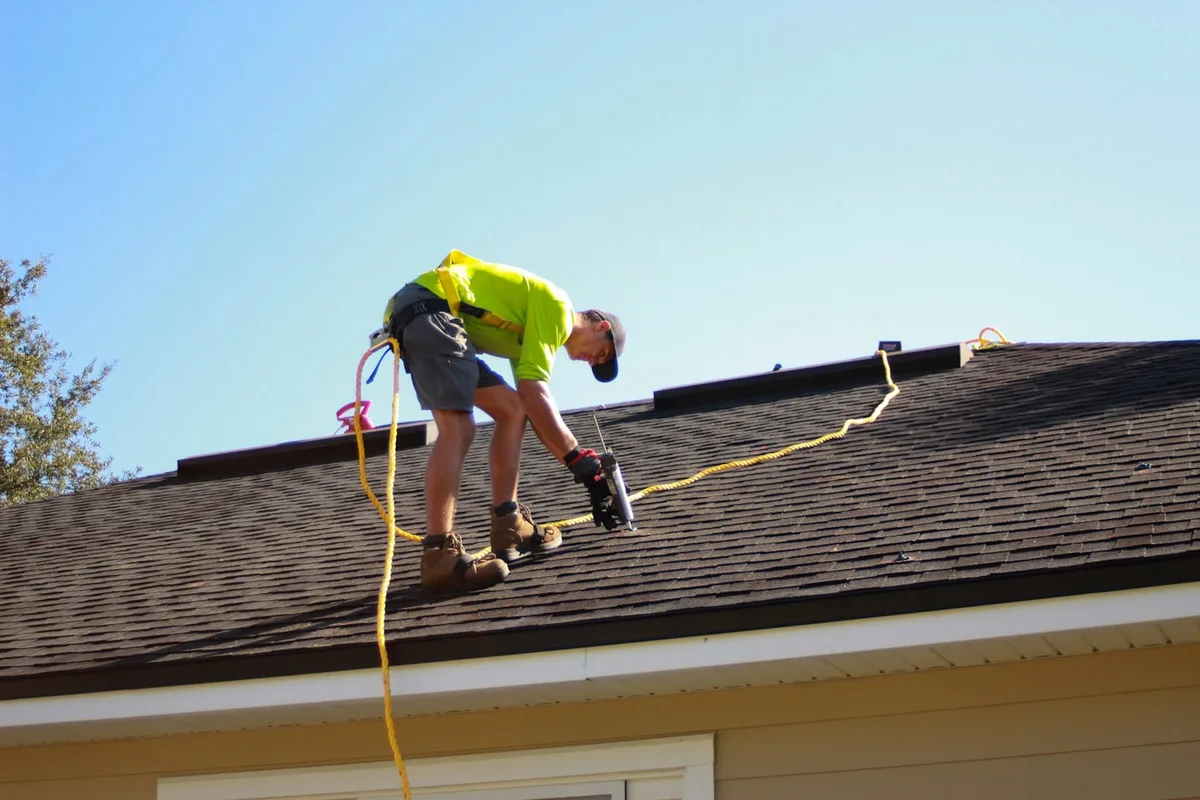
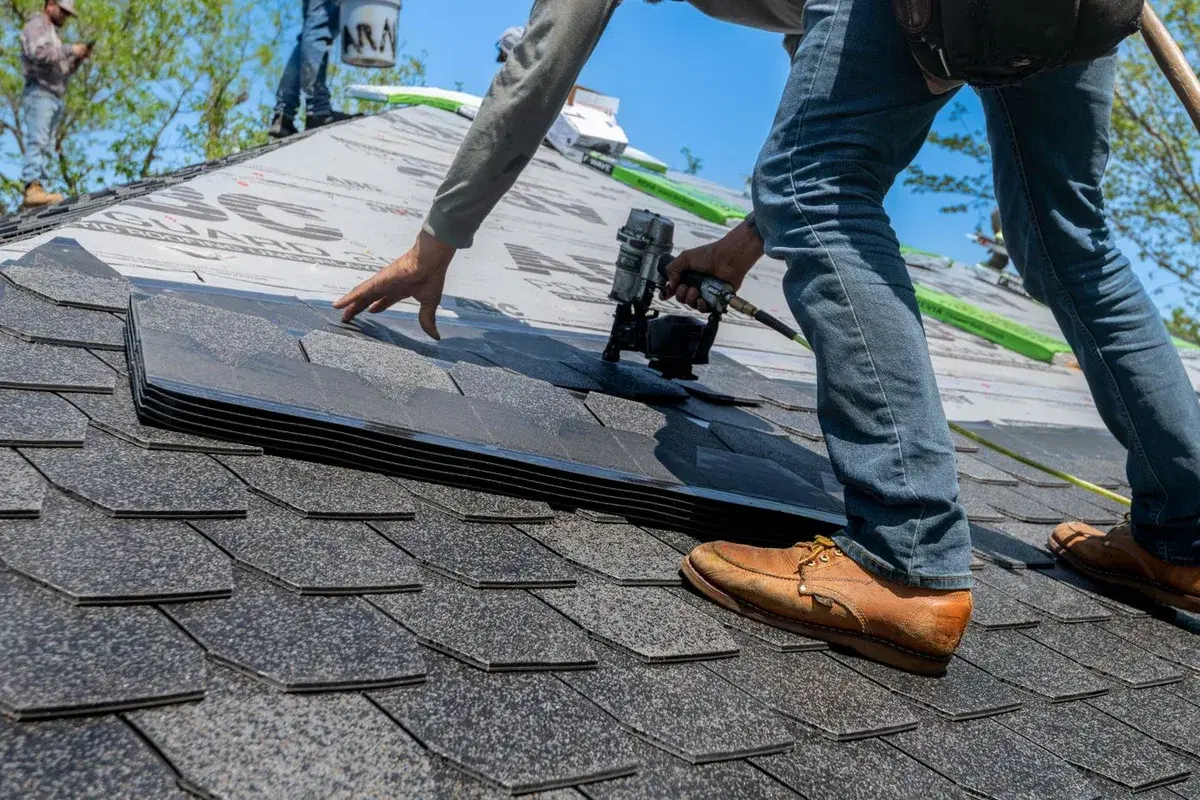
Asphalt roof repair restores damaged shingles, flashing, and underlayment so water stops entering the structure. Kings Park homeowners rely on it after wind events, after storm debris strikes, and as shingles gradually reach the end of their service life.
Most roof failures start small. A lifted shingle tab, a cracked pipe boot, or a failed flashing joint lets water reach the deck long before a ceiling stain ever appears inside. Catching those points early keeps a repair a repair instead of a replacement.
What Is Asphalt Roof Repair?
Asphalt roof repair is targeted work on a shingle roof system. It covers replacing damaged or missing shingles, resealing or replacing flashing, repairing underlayment, correcting fastener problems, and addressing deck damage found underneath.
Asphalt shingles remain the backbone of American residential roofing. The U.S. Census Bureau reports in its characteristics of new housing data that 1,005,000 single family homes were completed in 2025, the overwhelming majority of them roofed with shingle systems.
What Causes Asphalt Shingles to Crack or Curl?
Age, heat cycling, and moisture drive most shingle failure. Shingles expand and contract daily with temperature, the asphalt binder loses volatiles over time, and granules shed, leaving the mat exposed to direct sunlight and rain.
Attic conditions accelerate the process. Poor ventilation traps heat and moisture under the deck, cooking shingles from below. Kings Park homes with blocked soffit vents or insufficient exhaust venting often show curling on the sunniest slope years before the shaded side does.
Can Missing Asphalt Shingles Cause a Roof Leak?
Yes. Every shingle protects the fasteners and seams of the course sitting below it. When one blows off, water reaches the underlayment directly, and repeated exposure works through nail holes and seams into the wood deck.
Expert tip: photograph the roof from the ground after every wind event. A dated photo record makes it obvious which shingles moved and when, which speeds up both diagnosis during a professional roof inspection and any insurance conversation that follows.
What Are the Most Common Asphalt Roof Problems?
The recurring problems are wind lifted or missing shingles, cracked or curled shingles, failed flashing at chimneys and walls, deteriorated pipe boots, clogged gutters causing backup, and nail pops that break the water seal.
Long Island weather supplies plenty of pressure. NOAA's Storm Events Database recorded 47 severe weather events in Suffolk County during 2024, including six thunderstorm wind events and two hail events alongside widespread flash flooding.
How Does Storm Damage Affect Asphalt Shingles?
Wind attacks the edges of a roof first. Gusts lift tabs along rakes, eaves, and ridges, break the factory seal strip, and leave shingles that look perfectly intact from the ground but no longer bond to the course below.
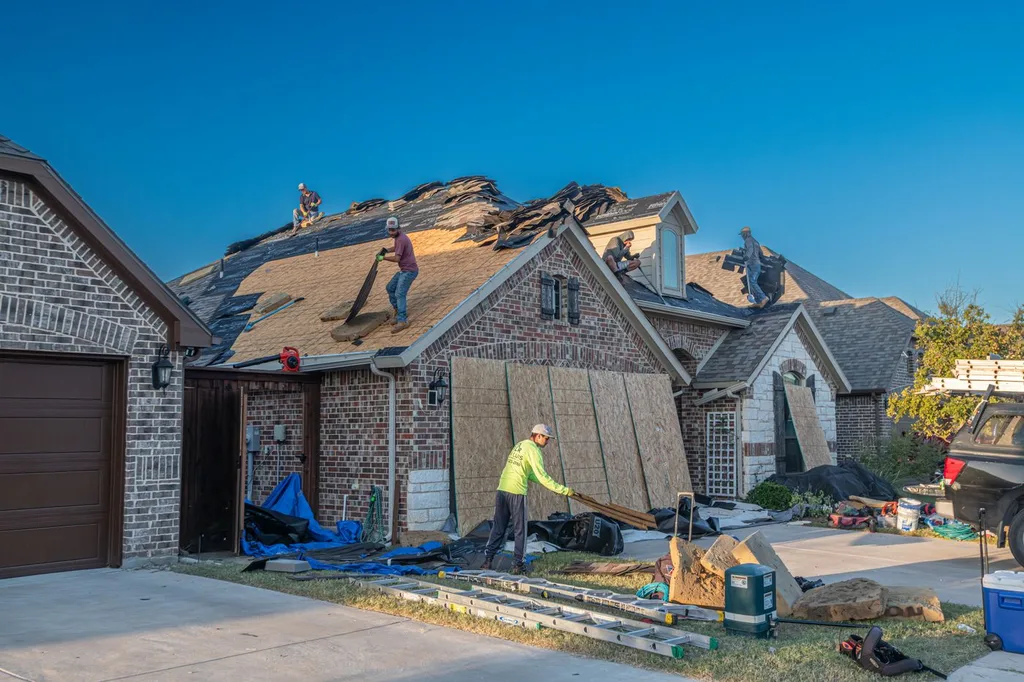
Hail bruises differently. Impact dislodges granules and can fracture the mat without tearing the shingle, so damage often appears months later as accelerated wear. Prompt storm damage assessment matters because insurers work on filing deadlines.
Can Damaged Roof Flashing Be Repaired?
Yes. Flashing at chimneys, sidewalls, valleys, and skylights is frequently repairable through resealing, refastening, or replacing individual pieces without disturbing the surrounding field of shingles at all.
Flashing deserves close attention because it fails quietly. Many leaks blamed on shingles actually originate at a step flashing joint or a corroded counterflashing, and repairing the shingles alone leaves the real entry point untouched for the next storm.
Should You Repair or Replace an Asphalt Shingle Roof?
Repair makes sense when the damage is localized, the roof has remaining service life, and the deck underneath is sound. Replacement makes sense when failure is widespread, leaks recur in multiple areas, or the system has simply aged out.
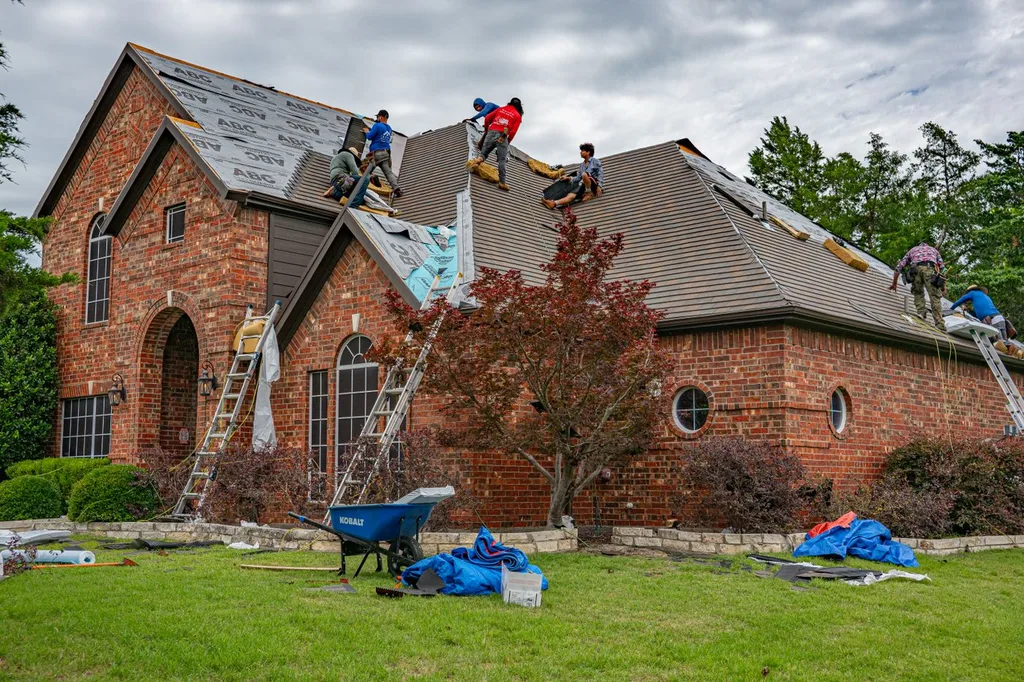
Scale matters to the math. The U.S. Census Bureau reports the median completed single family home measured 2,142 square feet in 2025, which means a full replacement covers substantially more area, material, and labor than a targeted repair on one slope.
Can You Repair Only a Small Section of an Asphalt Roof?
Yes. Sectional repair is standard practice when damage is confined. A roofer removes the affected shingles, inspects and repairs the deck and underlayment, then weaves in replacement shingles that tie into the existing courses.
Color matching is the usual compromise here. Weathered shingles lose granules and fade over time, so new material rarely matches exactly. On a rear slope that difference is invisible from the street, which makes sectional repair an easy decision for most Kings Park homes.
How Long Does an Asphalt Roof Repair Last?
A properly executed repair lasts as long as the surrounding roof does, provided the underlying cause was actually corrected. Repairs fail early when ventilation problems, flashing defects, or deck rot were treated as cosmetic issues rather than structural ones.
Use the SLATE Test to decide between repair and replacement. Scope of the damage. Layers already on the deck. Age of the existing roof. Trouble spots that keep returning. Estimate comparison across both paths. Score all five before committing to either option.
How Can You Prevent Future Asphalt Roof Damage?
Prevention rests on four habits: inspect the roof twice a year, clear gutters and valleys, maintain attic ventilation, and repair small defects immediately. Those four steps prevent most of the damage that eventually turns into structural repairs.
Wind remains the primary threat on Long Island. NOAA storm data recorded seven thunderstorm wind events in Suffolk County during 2025, with measured gusts of 50 to 52 knots, roughly 58 to 60 miles per hour, strong enough to break shingle seal strips.
How Are Leaks in an Asphalt Shingle Roof Located?
Leak tracing works upslope. Water enters high on the roof and travels along rafters or underlayment before dropping, so the interior stain rarely sits directly beneath the actual entry point on the roof surface.
Run this maintenance checklist each season:
- Walk the perimeter and photograph every slope from the ground
- Clear gutters, downspouts, and valleys of leaves and debris
- Check ceilings and attic sheathing for staining after heavy rain
- Look for granule accumulation at downspout outlets
- Inspect flashing at the chimney, skylights, and sidewalls
- Confirm soffit vents are open and insulation is not blocking airflow
- Trim branches that overhang or contact the roof surface
When Should You Call a Professional Roofer?
Call when you see missing shingles, active leaks, sagging areas, daylight through the attic sheathing, or damage following a wind event. Roof work carries real fall risk, and shingle repair done incorrectly often creates new entry points for water.
Mini case study: a Kings Park homeowner noticed a small hallway ceiling stain after a summer storm. The shingles above looked fine. A professional inspection traced the water to failed step flashing at a dormer sidewall. Research organizations such as the Insurance Institute for Business and Home Safety publish roof performance research showing how details like these determine whether a roof holds.
Frequently Asked Questions
How much does asphalt roof repair cost?
Pricing depends on the damaged area, roof pitch, access, material match, and whether deck or flashing work is required. Request a written estimate that itemizes labor, materials, and any underlayment or decking replacement before work begins.
How long does an asphalt roof repair take?
Most localized repairs are completed in a single visit once the materials are on hand. Larger repairs involving deck replacement, multiple flashing points, or several slopes require additional time and dry weather.
Will insurance cover asphalt roof repair?
Coverage depends on your policy and the cause of the damage. Sudden wind or hail damage is treated differently from gradual wear, so document the storm date, photograph the damage, and file within your carrier's deadline.
Can you repair a roof in winter?
Yes, though cold weather affects shingle sealing. Shingles bond through heat, so repairs made in low temperatures may need hand sealing to hold until warmer conditions finally complete the bond naturally.
Conclusion
Asphalt roof repair protects Kings Park homes when it addresses the actual entry point rather than the visible symptom. Inspect after storms, keep gutters and attic ventilation clear, fix flashing early, and use the repair versus replacement math before authorizing major work.
Tom Jannace Roofing, Inc. is a family owned, GAF certified, licensed and insured roofing contractor with more than 35 years of experience, an A plus BBB rating, and no subcontractors on any job. Schedule a free inspection and honest estimate for your Kings Park roof today.