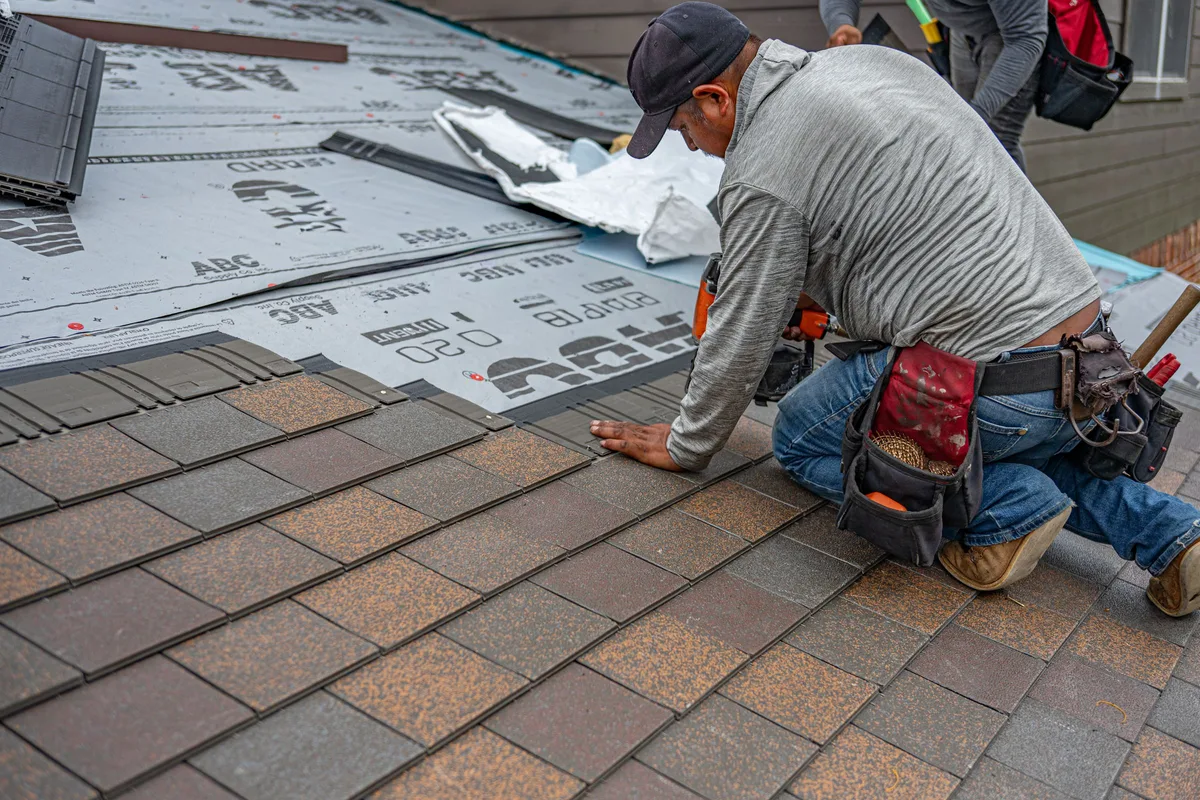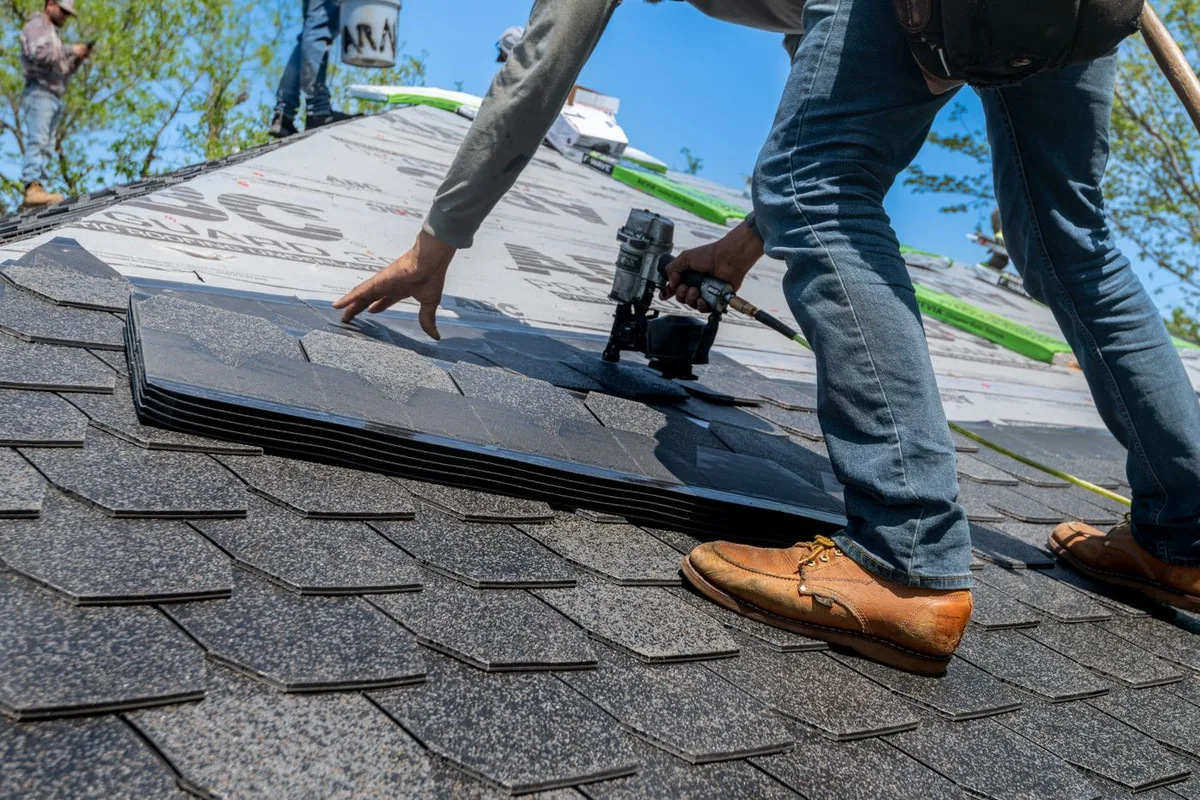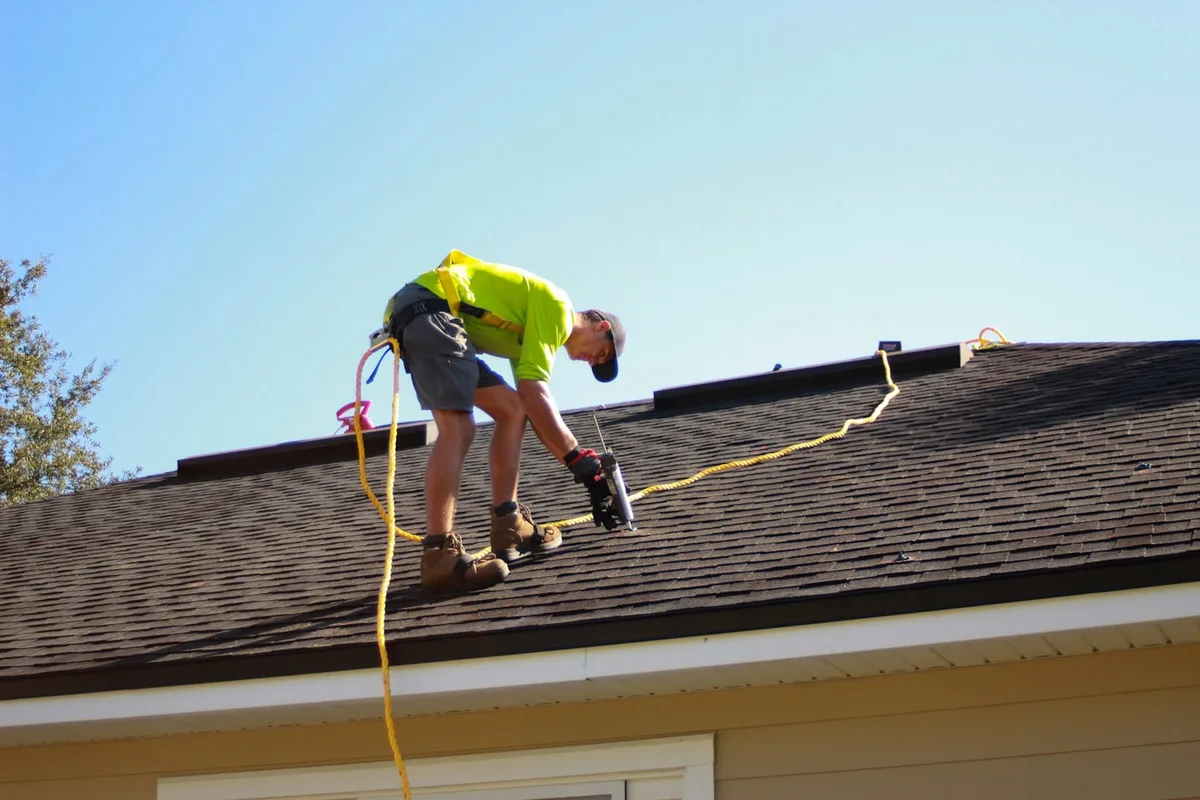
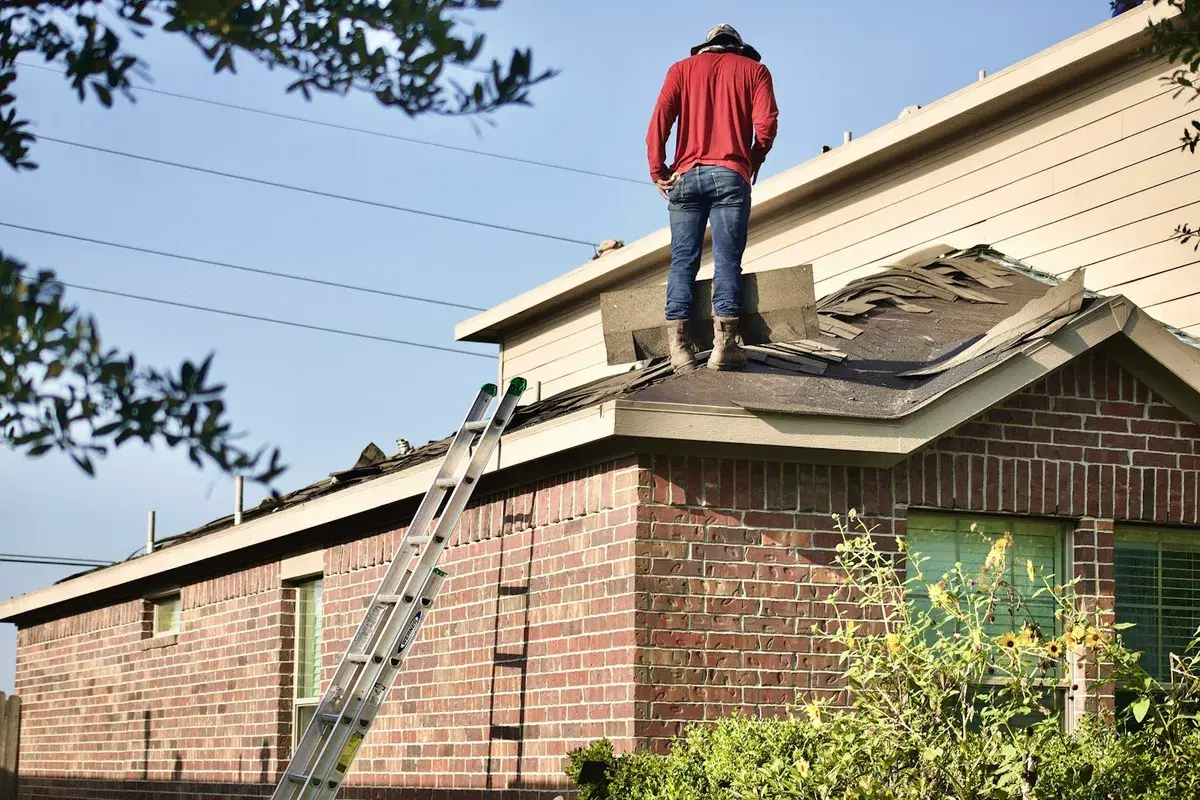
Roof damage repair restores compromised sections of a roof before water reaches the structure below. For Northport homeowners, that usually means addressing wind-lifted shingles, failed flashing, or storm impact before a small problem becomes a ceiling repair.
Northport sits on Long Island's North Shore, where coastal wind, salt air, and mature tree cover all work against a roof. Recognizing damage early is what separates a straightforward repair from a full structural project.
What Is Roof Damage Repair?
Roof damage repair is the targeted replacement or restoration of failed roofing components. It addresses shingles, flashing, underlayment, and decking in the affected area rather than replacing the entire roof system.
Building performance research supports early intervention. The Insurance Institute for Business & Home Safety conducts full-scale testing on residential building resilience, studying how roofs fail under wind and water exposure and what construction details prevent that failure.
What Types of Roof Damage Can Be Repaired?
Most localized damage is repairable. Missing or cracked shingles, damaged flashing around chimneys and skylights, failed pipe boots, small punctures, and isolated decking rot all respond well to targeted repair when caught early.
Repair stops being the right answer when damage spreads. Widespread granule loss, multiple leak points across different roof planes, or extensive decking deterioration signal that the system has reached the end of its service life. An honest inspection distinguishes between the two.
Can Minor Roof Damage Turn Into a Major Leak?
Yes, and it usually does. A single lifted shingle exposes the underlayment to direct weather. Once that layer degrades, water reaches the decking. From there it travels along rafters and appears on a ceiling far from the actual entry point.
Expert tip: photograph your roof from the ground after every significant Northport storm, from all four sides. Comparing dated photos over time reveals shingle movement and granule loss you would never notice by memory alone, and those images help substantially with insurance documentation.
What Are the Most Common Causes of Roof Damage?
Wind, water intrusion, falling tree limbs, ice accumulation, and age-related deterioration account for the majority of residential roof damage. On Long Island's North Shore, wind and tree contact lead the list.
Wind loading deserves particular attention here. The National Weather Service publishes safety information on damaging winds, explaining how gusts well below hurricane strength lift roofing materials and drive debris into exposed surfaces.
What Are the Signs of Storm Damage on a Roof?
Run the STORM Scan after any severe weather in Northport:
- S is Shingles. Look for missing, cracked, curled, or lifted pieces.
- T is Trim and flashing. Check chimney, skylight, and valley metal.
- O is Overflow. Inspect gutters for granule accumulation.
- R is Roofline. Look for sagging or uneven planes from the ground.
- M is Moisture. Check ceilings and the attic for staining or dampness.
Do this scan from the ground and from inside the attic. Walking a storm-damaged roof is genuinely dangerous, and compromised decking is not always visible from the surface before it gives way.
Can Wind Damage Cause Hidden Roofing Problems?
Yes. Wind frequently breaks the adhesive seal between shingle courses without visibly displacing anything. The shingle looks fine from the driveway but no longer bonds to the course below it, leaving the underlayment exposed on every subsequent windy day.
Federal researchers study exactly this failure pattern. The National Institute of Standards and Technology maintains a program of disaster and failure studies examining how building components fail under extreme conditions and why damage often stays hidden until later.
How Can You Tell If Your Roof Needs Repair?
Watch for four indicators: shingle granules collecting in gutters, water staining on interior ceilings, daylight visible through attic boards, and any sagging along the roofline. Any one of these warrants professional inspection.
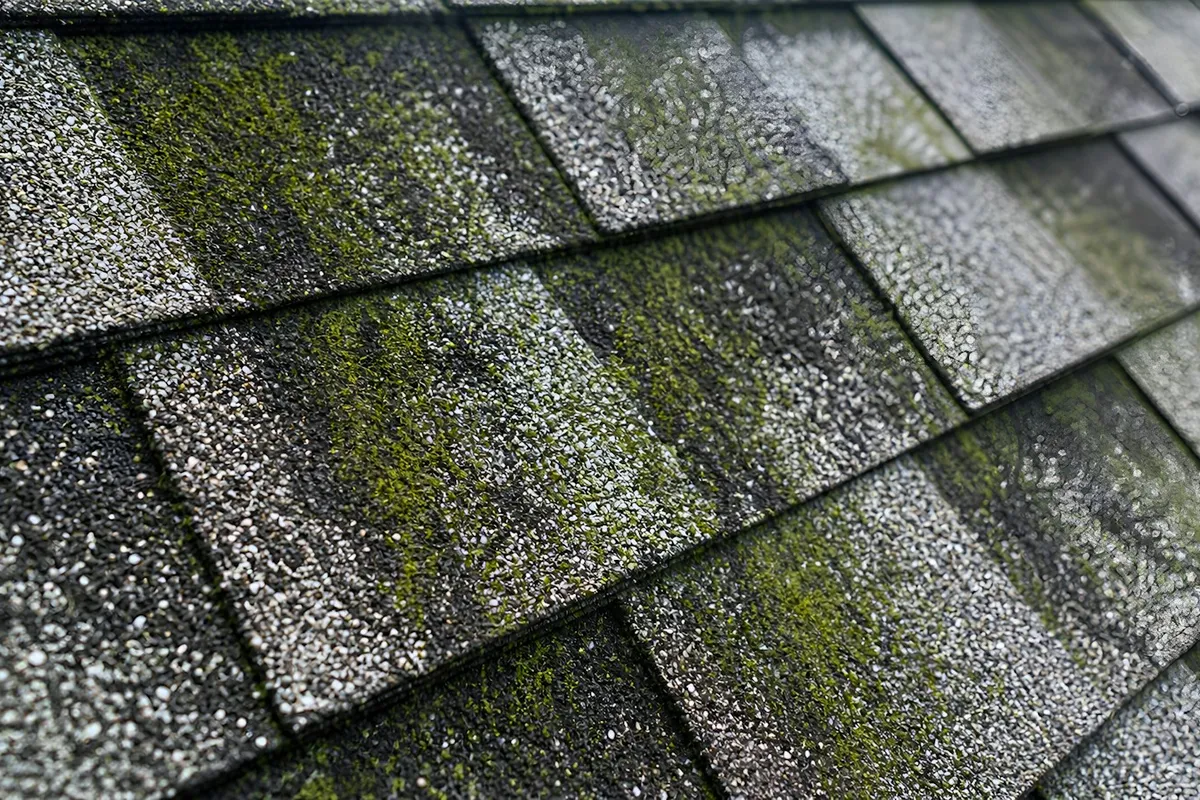
Age matters alongside symptoms. Asphalt roofs generally show accelerating problems as they approach the end of their rated life. Northport homes with original roofing from an earlier era of construction tend to need attention sooner than the material warranty suggests.
How Is Roof Damage Inspected?
A thorough inspection covers both sides of the roof system. Exterior work examines shingles, flashing, valleys, penetrations, ridge, and drip edge. Interior work checks the attic for staining, daylight penetration, insulation moisture, and decking condition.
Documentation is what makes an inspection useful later. Photographs of each finding, with location noted, become the basis for both the repair scope and any insurance claim. Homeowners scheduling a professional roof inspection should expect written findings, not just a verbal summary.
What Happens If Roof Damage Is Left Unrepaired?
Consider an illustrative case. A Northport homeowner notices a faint ceiling stain after a nor'easter and decides to watch it. Over the following months the stain spreads, the attic insulation compresses with moisture, and the decking beneath begins to soften.
What began as a flashing repair now involves decking replacement, insulation removal, and interior drywall work. The roofing portion barely changed. Everything else multiplied. That progression is the single strongest argument for addressing damage while it is still small.
Can Roof Damage Be Covered by Homeowners Insurance?
Sudden, accidental damage from a covered peril such as wind or falling debris is typically eligible for a claim. Damage from age, wear, or deferred maintenance is generally excluded. Your policy language determines the outcome.
Documentation drives claim results. Dated photographs, a written inspection report, and a clear repair estimate give the adjuster what they need. Contractors experienced with storm damage roof repair know how to document findings in the format insurers actually process.
How Much Does Roof Damage Repair Cost?
Cost depends on four factors: the size of the affected area, roof pitch and accessibility, the materials involved, and whether decking underneath requires replacement. A single flashing repair and a decking rebuild occupy very different price ranges.
Get the estimate in writing with the scope itemized. A written scope tells you exactly what is being replaced versus patched, which matters when comparing options and when submitting to an insurer. Verbal ballpark figures leave too much room for interpretation on both sides.
How Long Does Roof Damage Repair Usually Take?
Most localized repairs are completed within a single day once materials are on hand. Flashing replacement, shingle sections, and pipe boot repairs are typically same-day work under normal conditions.
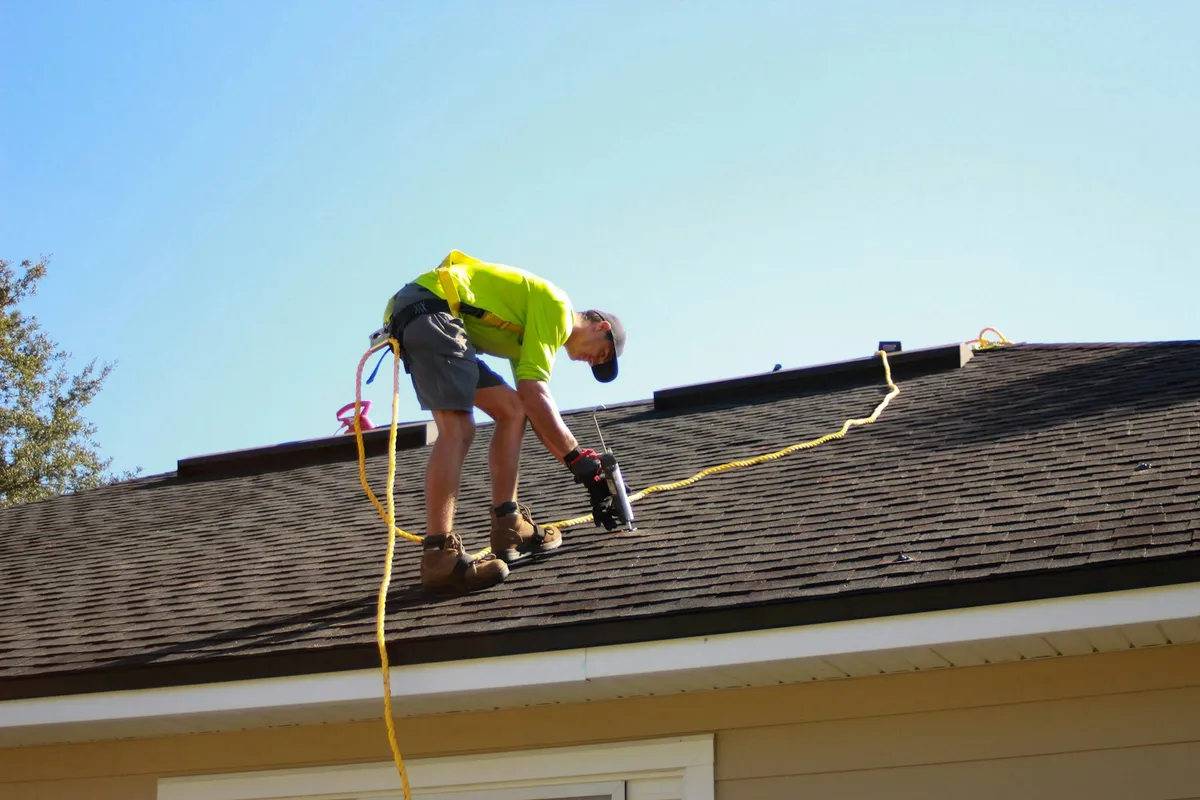
Weather controls the schedule more than anything else. Roofing work requires dry surfaces and safe footing, so Northport repairs often wait for a clear window. Scheduling before storm season rather than after it usually means shorter waits and more flexibility.
Frequently Asked Questions
Should I get on my roof to check for damage myself?
No. Storm-damaged decking can fail under weight without warning, and roof falls cause serious injuries every year. Inspect from the ground with binoculars and from inside your attic, then have a professional walk the surface.
Does a roof repair void my material warranty?
Manufacturer warranties generally remain intact when repairs use compatible materials and follow specified installation methods. Improper repairs by an unqualified installer can affect coverage, which is why certification and documentation matter on any repair work.
How soon should I act after finding damage?
Immediately. Water intrusion compounds daily, and most insurance policies require prompt reporting of a loss. Delaying both increases the repair scope and weakens your position if you later file a claim.
Can roof damage be repaired in winter?
Yes, though conditions matter. Asphalt shingles seal more slowly in cold weather and safe footing requires dry, ice-free surfaces. Emergency stabilization can happen year round, with permanent repair scheduled for suitable conditions.
Conclusion
Roof damage repair protects the structure beneath your roof, and timing determines the size of the job. Run the STORM Scan after severe weather in Northport, document what you find, and get a professional inspection before a small entry point becomes a structural repair.
Tom Jannace Roofing, Inc. is a family-owned, GAF-certified, licensed and insured roofing contractor serving Northport and Suffolk County with its own crew and no subcontractors. Call (631) 751-4734 for a free, no-obligation roof inspection with a same-day callback.