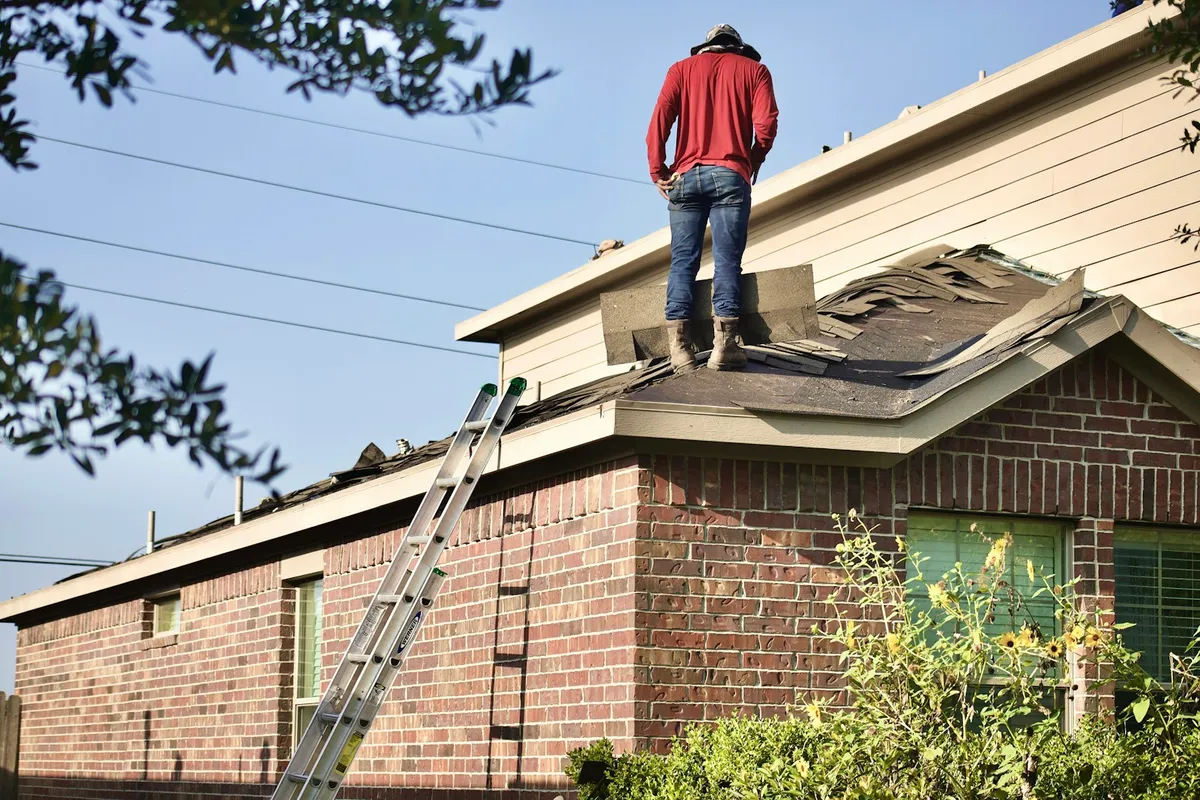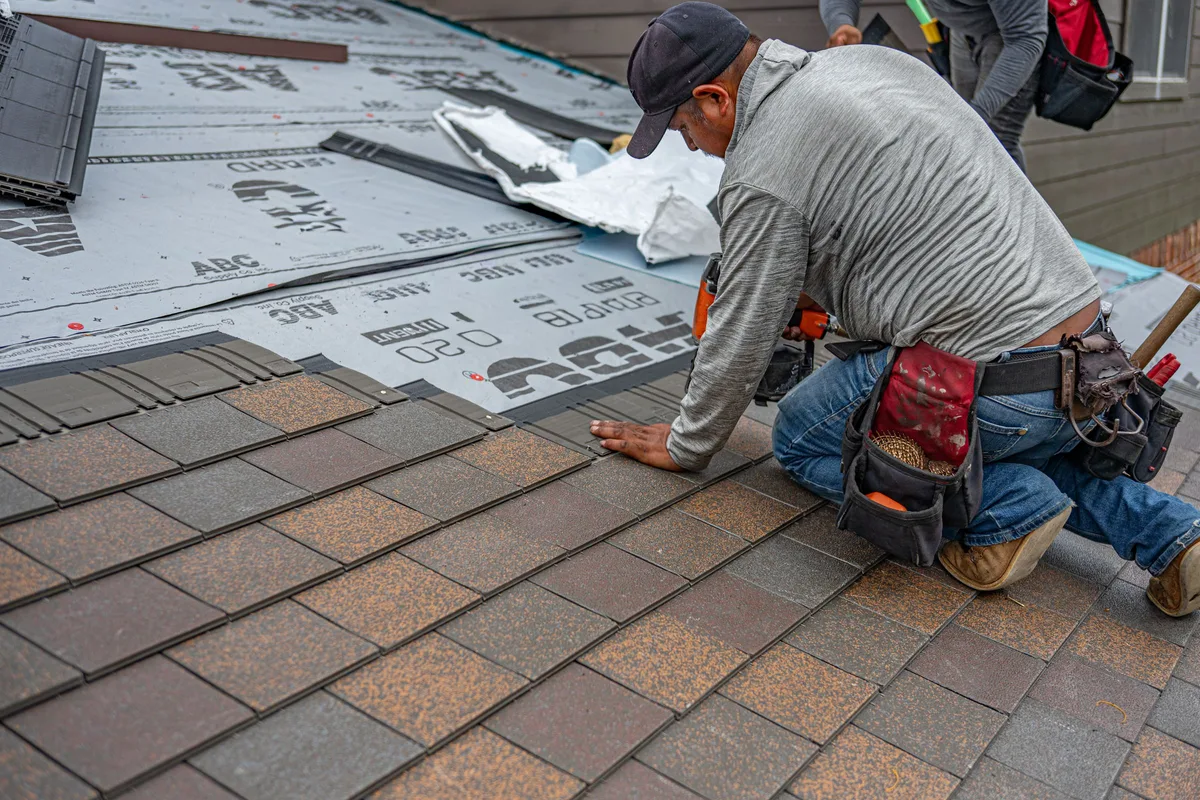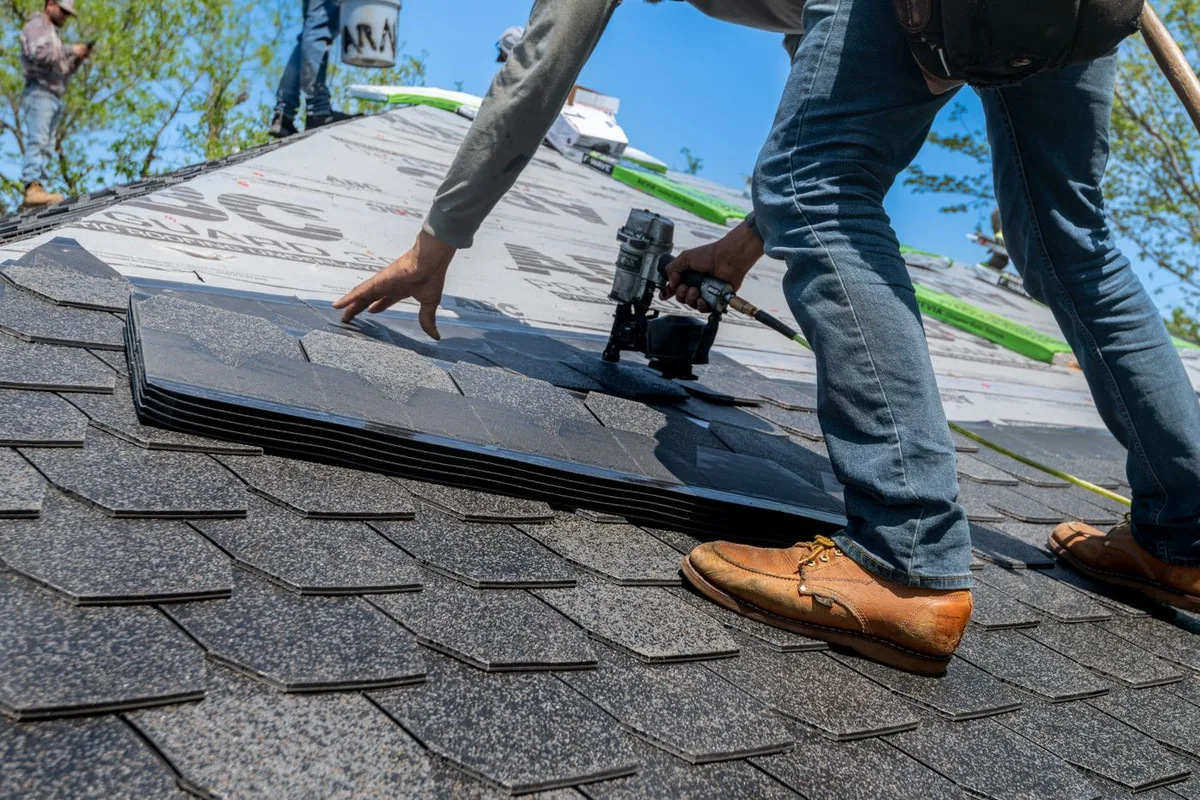
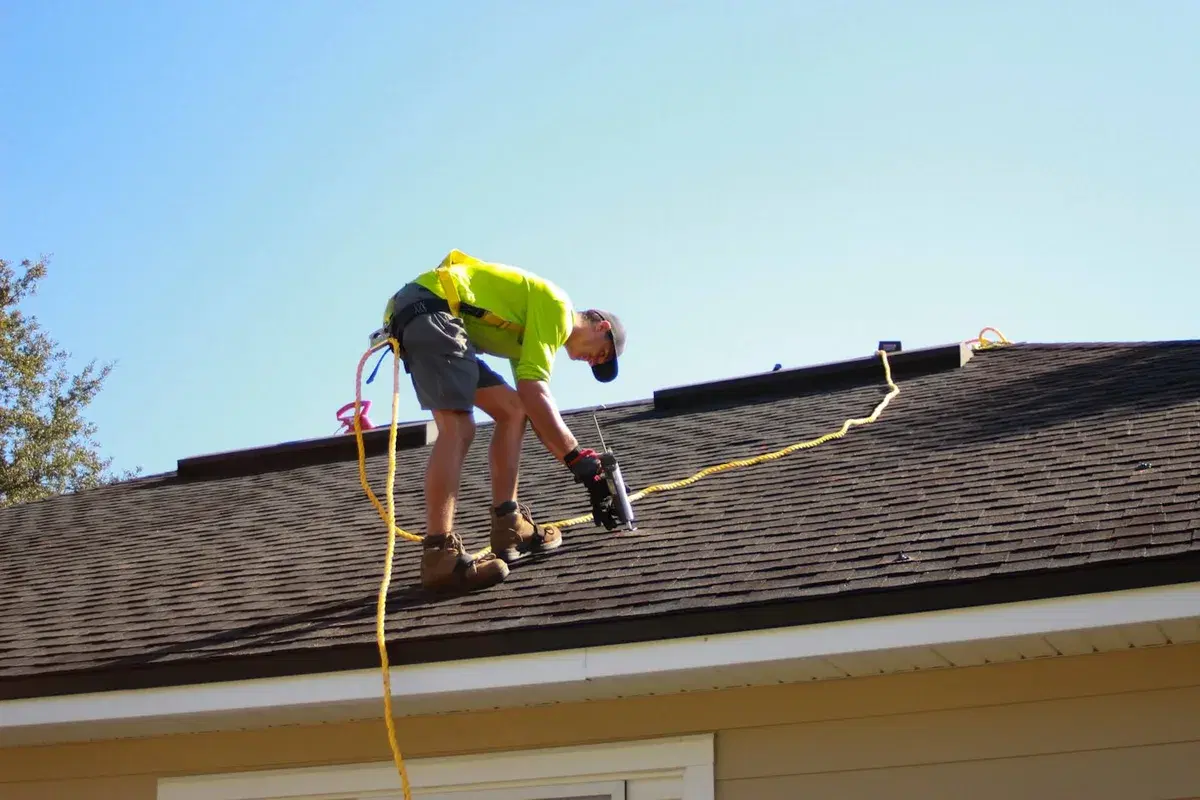
A roof repair contractor diagnoses the cause of a roof problem, performs the repair, and verifies the result. For Miller Place homeowners, that covers leaks, wind-damaged shingles, failed flashing, vent boots, and small sections of compromised decking.
The difference between contractors shows up in diagnosis, not in labor. Anyone can nail down a shingle. Finding why water entered forty feet uphill from the ceiling stain, then correcting it so it stays corrected, is the work you are actually paying for. This breakdown covers what to expect, what drives cost, and how to vet a candidate.
What Does a Roof Repair Contractor Do?
A roof repair contractor inspects, diagnoses, repairs, and documents. The visit starts in the attic or at the interior evidence, moves to the roof surface, and ends with a written scope describing exactly what needs correcting and why.
Demand tracks the weather. NOAA's National Centers for Environmental Information recorded 403 separate billion-dollar weather and climate disasters across the United States between 1980 and 2024, with combined costs exceeding $2.915 trillion.
What Are the Signs Your Roof Needs Professional Repair?
Interior signs usually arrive first. Watch for these across any Miller Place home:
- Brown ceiling rings or spreading water stains
- Damp attic insulation or staining on the sheathing
- Musty attic odor after heavy rain
- Peeling paint near an exterior wall or ceiling line
- Granule buildup collecting in gutters and downspouts
- Curling, cracked, or missing shingles visible from the ground
- Rust streaks or lifted flashing around chimneys and vents
- Daylight showing through at any roof penetration

Expert tip: photograph the interior evidence on a bright day and note the weather that produced it. Wind-driven rain, snowmelt, and steady rain each point to different failures, and that one detail shortens the diagnosis considerably.
Can a Roof Repair Contractor Fix an Active Roof Leak?
Yes. Most leaks trace to a single failed component rather than a whole-system failure. A contractor isolates the entry point, corrects the underlying cause, and reseals the penetration so water sheds away.
Temporary measures buy time, not solutions. Tarping or sealant stops immediate intrusion during a storm, but permanent repair requires lifting shingle courses and installing flashing in the correct order so water sheds over the repair. A thorough roof inspection identifies which is needed.
When Should You Call a Roof Repair Contractor?
Call after any significant storm, at the first interior sign of water, and twice a year for routine inspection. Waiting for visible damage means paying for decking work instead of a repair.
The trade is expanding, which raises the vetting stakes. The U.S. Bureau of Labor Statistics projects employment of roofers to grow 6 percent from 2024 to 2034, faster than average, with roughly 12,700 openings each year.
Can Storm-Damaged Roofing Be Repaired?
Usually, yes. Wind-lifted shingles, displaced flashing, and impact damage are all repairable when the deck below remains sound and the rest of the roof still has service life.
Documentation matters as much as the fix. Dated photographs, an inspection report, and a written scope submitted early strengthen an insurance claim considerably. Contractors handling storm damage response build that documentation into the job.
How Are Missing or Damaged Shingles Repaired?
A roofer lifts the surrounding courses, removes the damaged shingles, checks the underlayment and decking beneath, then installs replacements and reseals the area so water flows over the repair.
Consider a hypothetical Miller Place colonial that lost three shingles in a nor'easter. The homeowner waited until spring. By then the underlayment had failed and a section of decking needed replacing. A single-visit repair in November would have cost a fraction of the March invoice.
How Much Does Roof Repair Typically Cost?
Cost depends on scope, roof access, and materials. Replacing a few shingles sits at the low end. Flashing rebuilds, skylight work, and repairs involving rotted decking cost more because the work extends past the visible damage.
Contract terms protect that spend. The New York State Attorney General notes in its home improvement fact sheet that contractors must be licensed in Suffolk County, that any payments received before substantial completion must go into a New York escrow account within five business days, and that progress payments must bear a reasonable relationship to the work performed.
What Factors Affect the Cost of Roof Repairs?
Four variables move the number. Size of the affected area, roof pitch and access difficulty, whether decking underneath needs replacement, and how closely the replacement material must match the existing roof.
Coastal exposure adds a fifth. Miller Place sits close enough to the water that salt air and wind-driven rain accelerate wear on flashing, fasteners, and sealants, so repairs here sometimes address corrosion that inland homes never develop at the same pace.
How Long Does a Typical Roof Repair Take?
Most single-area repairs finish in one visit, often within a few hours. Shingle replacement, boot swaps, and flashing reseals move quickly once the crew has the right materials on the truck.
Weather sets the schedule more than labor does. Sealants and adhesives need dry conditions and moderate temperatures to bond correctly, so Long Island winters and rainy stretches occasionally push a scheduled repair back a day or two.
How Do You Choose the Right Roof Repair Contractor?
Choose on licensing, insurance, manufacturer certification, written scope, and whether the crew is employed directly. Subcontracted work introduces people you never vetted onto your roof.
Local licensing is verifiable in minutes. Suffolk County maintains a public licensed contractor search, and confirming a license number before signing anything is the single highest-value step a Miller Place homeowner can take. It costs nothing and rules out the worst outcomes immediately.
The ROOF Check
Run this four-point check on every contractor you consider:
- R for Registration: a current Suffolk County home improvement license
- O for Obligations: certificates of insurance and workers' compensation
- O for On-staff crews: employees rather than rotating subcontractors
- F for Formal scope: a written estimate listing materials and labor
Four points, one phone call each. A contractor who hesitates on any of them has answered the question more clearly than a reference ever could, and you have lost nothing by asking.
What Should You Ask a Roofing Contractor Before Hiring?
Ask five questions: are you licensed in Suffolk County, can I see your insurance certificate, do you use subcontractors, what happens if you find hidden damage, and what warranty covers the workmanship.
Then ask about the whole system. A contractor who checks attic airflow while diagnosing a leak understands that moisture problems often start below the shingles rather than in them. Correcting attic ventilation protects every repair made above it.
Frequently Asked Questions
When is roof replacement better than roof repair?
Replace when leaks appear in multiple locations, when shingles curl or lose granules across the whole roof, or when repeated repairs have not stopped water intrusion. Roofs near the end of their service life rarely justify further patching.
Does homeowners insurance cover roof repair?
Coverage typically applies to sudden storm damage rather than gradual wear. Policies vary, so document damage with dated photos, review your deductible, and get a professional inspection report before deciding whether filing makes sense.
Should you get more than one estimate?
Yes, and compare scope rather than price alone. Two quotes can differ by thousands simply because one includes decking replacement and flashing work while the other covers shingles and nothing underneath them.
How often should a Miller Place roof be inspected?
Twice a year is the practical standard, once in spring and once in fall, plus a check after any nor'easter or significant wind event. Early detection keeps repairs small and affordable.
Conclusion
Hiring a roof repair contractor in Miller Place comes down to verification and documentation. Confirm the Suffolk County license, request the insurance certificate, insist on a written scope listing materials and labor, and ask what happens if hidden damage appears. Homeowners who do that before signing get repairs that hold and estimates that do not change halfway through the job.
Tom Jannace Roofing, Inc. provides residential roof repair and inspection, roof installation and replacement, storm damage roof repair, skylight installation and repair, and attic ventilation for homeowners throughout Miller Place, NY. The GAF-certified crew is licensed, insured, and uses no subcontractors. Call (631) 751-4734 for a free inspection and an honest written estimate.