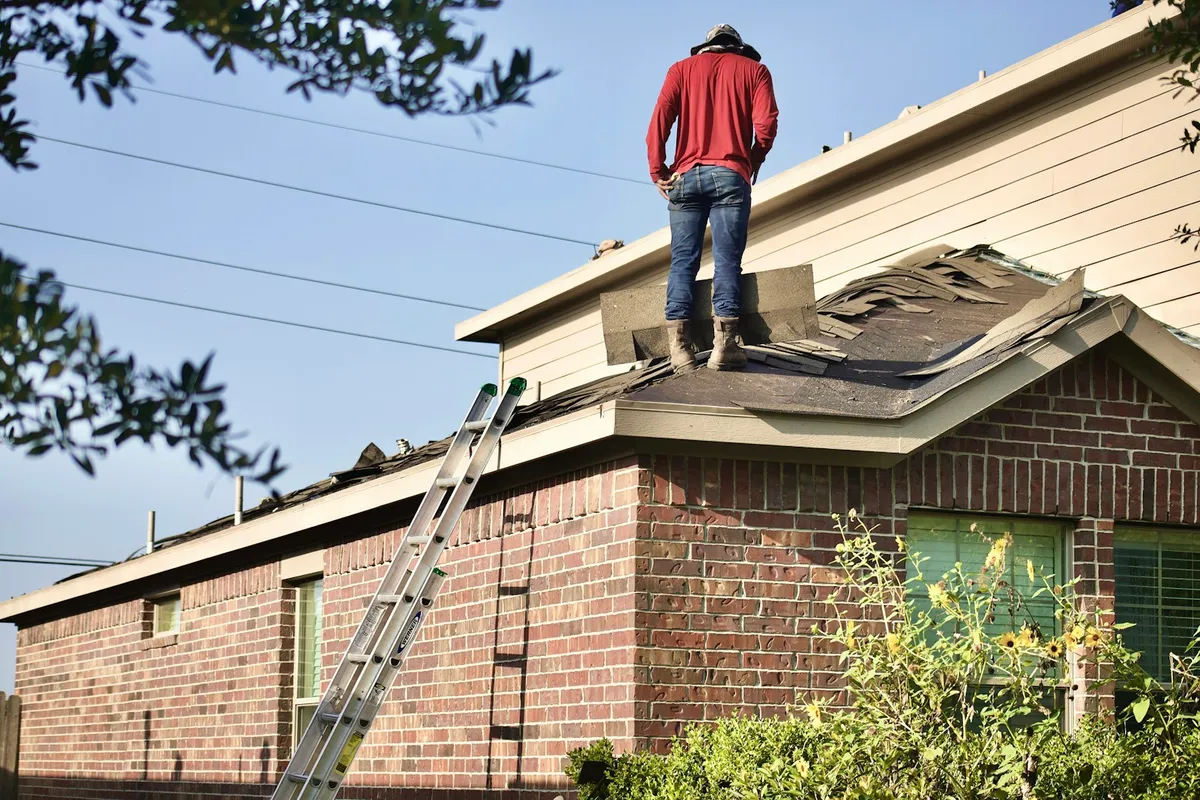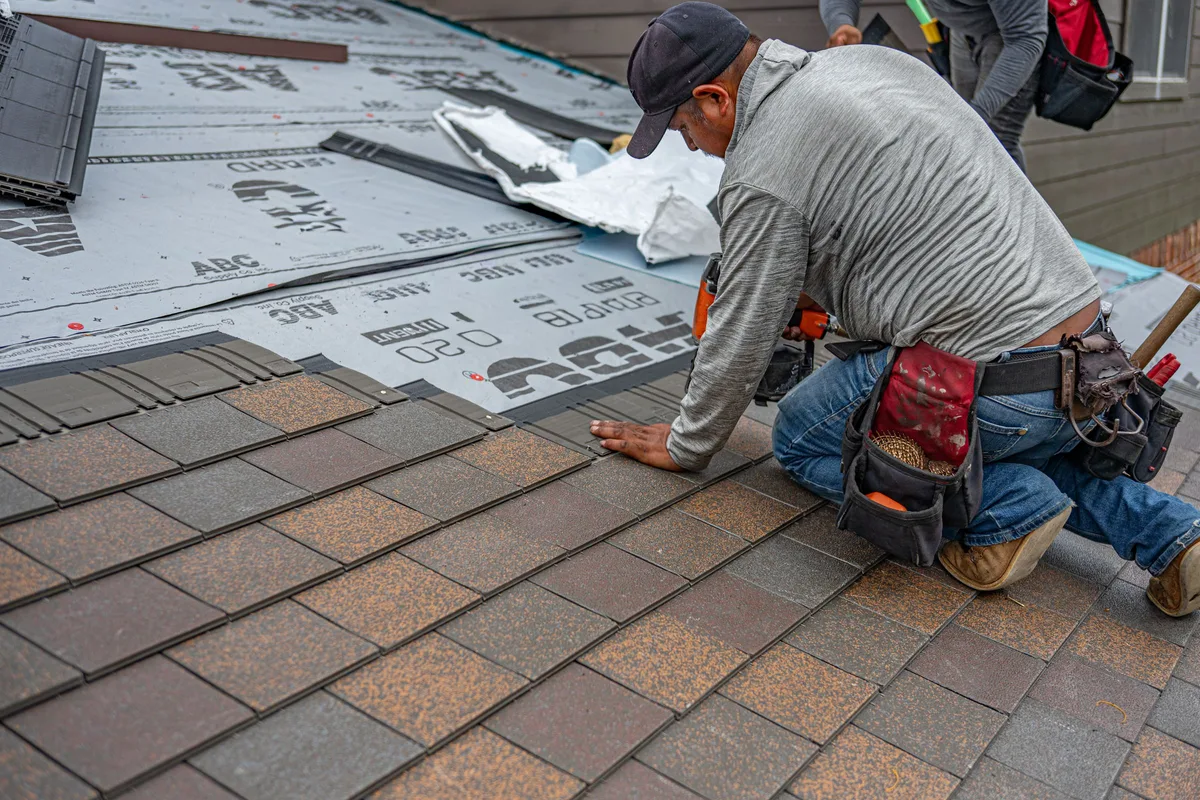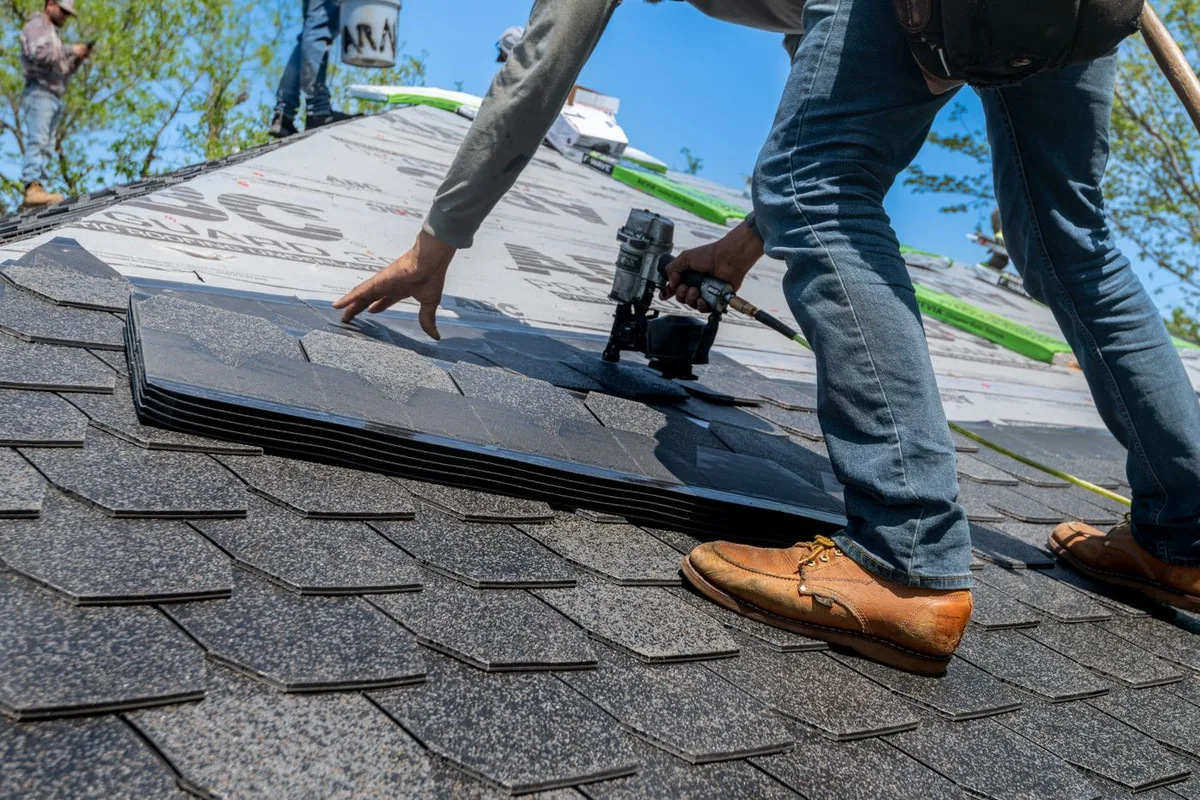
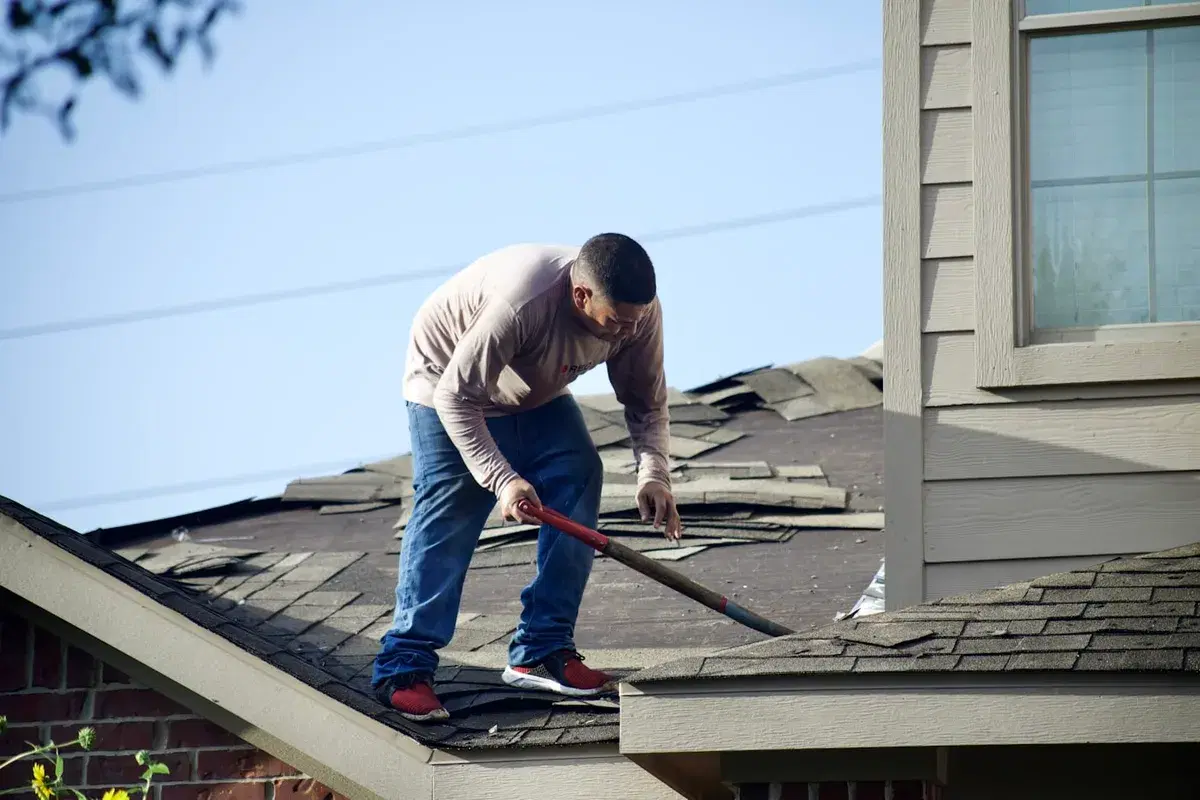
Residential roof repair covers targeted work on a home's roof: replacing damaged shingles, resealing flashing, correcting a leak, or fixing a section of compromised decking. For Nesconset homeowners, catching problems early keeps a repair from becoming a replacement.
Long Island roofs work hard. Nor'easters, coastal wind, freeze and thaw cycles, and heavy summer sun all attack the same weak points season after season. This breakdown covers the most common problems, the signs worth acting on, what drives cost and timeline, and how to choose a contractor who will do the job correctly the first time.
Residential Roof Repair: What Nesconset Homeowners Need to Know
Residential roof repair addresses localized damage on a roof with remaining service life. That includes shingle replacement, flashing repair, vent boot swaps, ridge cap refastening, and small sections of decking.
Severe weather keeps the demand steady. NOAA's National Centers for Environmental Information recorded 403 separate billion-dollar weather and climate disasters across the United States between 1980 and 2024, with combined costs exceeding $2.915 trillion.
What Is Residential Roof Repair?
Repair means fixing the failure without touching the rest of the system. A roofer isolates the damaged component, corrects the underlying cause, and reseals the area so water sheds away rather than collecting.
Expert tip: check the attic before you look at the roof. Water travels along rafters, so the wet spot inside is often several feet from the actual entry point. Photographing the damp area on a bright day gives any Nesconset roofer a much faster starting point.
What Are the Most Common Residential Roof Problems?
Most repairs trace back to a short list of failures. Watch for these on any Nesconset home:
- Wind-lifted, cracked, or missing asphalt shingles
- Failed flashing at chimneys, walls, skylights, and valleys
- Split or hardened plumbing vent boots
- Loose or damaged ridge cap along the peak
- Exposed or backed-out nail heads
- Granule loss collecting in gutters and downspouts
- Ice dam damage along the eaves after winter storms
- Clogged gutters forcing water back under the shingle edge
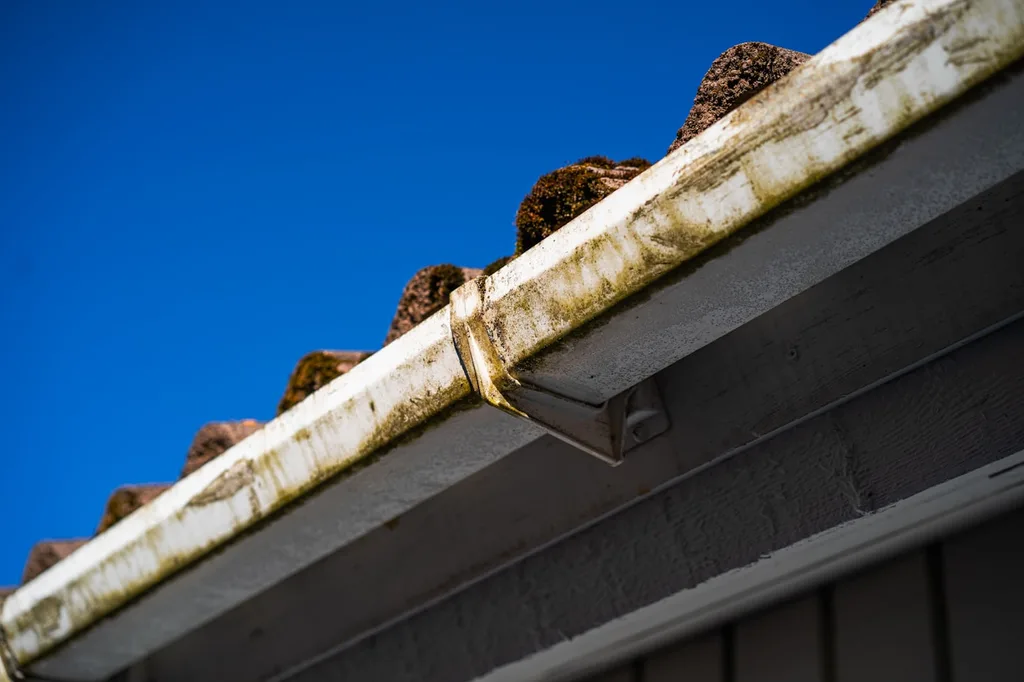
Each of these is a contained problem when caught early. Left alone through another season, any one of them can soak insulation and compromise the decking below, which turns a few hundred dollars of work into several thousand.
Signs Your Home May Need Roof Repair
Watch for ceiling stains, damp attic insulation, curling or missing shingles, granules in the gutters, rust streaks around penetrations, and daylight visible at a roof opening. Any one justifies an inspection.
The roof itself is the first line of defense. The Insurance Institute for Business & Home Safety explains in its roof research materials that properly fastened decking, a sealed roof deck, and reinforced drip edge details work together to keep wind and water out even when the roof cover is damaged.
How Do You Know When Your Roof Needs Repair?
Inside signs usually appear before outside ones. Brown ceiling rings, musty attic odor, and peeling paint near an exterior wall all point to water that has already entered the structure.
Outside signs confirm it. Scan the roof from the ground with binoculars after any significant Nesconset storm, checking for lifted tabs, shingle debris in the yard, and flashing that has pulled away from a chimney or sidewall. Photograph anything you spot, with the date.
Can a Leaking Residential Roof Be Repaired?
Yes. Most leaks trace back to a single failed component rather than a whole-system failure. Correcting that component and verifying the deck beneath it resolves the problem for good.
Consider a hypothetical Nesconset ranch with a stain spreading across a hallway ceiling. The homeowner assumed the shingles had failed. The actual source was a split vent boot four feet uphill. One boot replacement and a small underlayment patch fixed what looked like a full replacement job.
Residential Roof Repair vs Roof Replacement
Repair fits isolated damage on a roof with years left. Replacement fits widespread deterioration, multiple leak points, or a roof approaching the end of its expected service life.
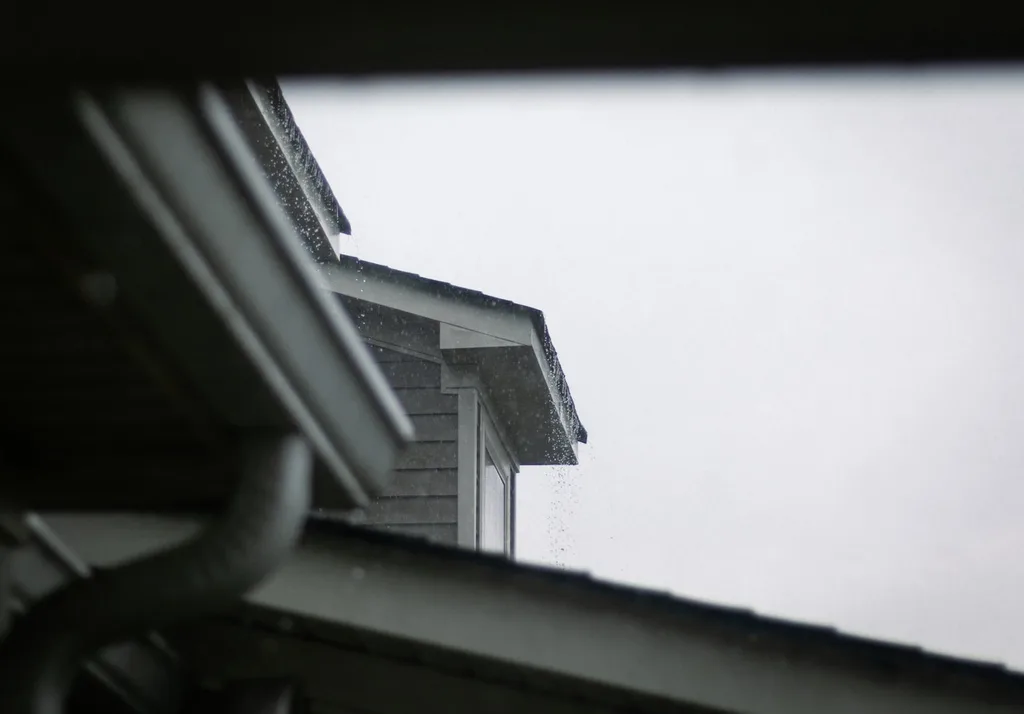
Timing decisions carry real money. NOAA's disaster record shows severe storms driving repeated billion-dollar loss years across the country, and deferred roof work is what turns a routine repair bill into a structural one.
The ROOF Test
Run this four-point test before deciding between repair and replacement on your Nesconset home:
- R for Reach: is the damage confined to one area or spread across slopes
- O for Original age: how many years of service life remain
- O for Openings: how many separate leak points have appeared
- F for Foundation: is the decking below sound or already compromised
One concern usually means repair. Three or four means the roof is telling you something a patch will not fix, and a full inspection should confirm which path actually protects your investment.
When Is Roof Replacement Better Than Repair?
Replace when leaks appear in several locations, when shingles curl or lose granules across the whole roof, or when repeated repairs have not stopped water intrusion.
Age matters too. A roof well past its expected lifespan rarely justifies another repair, since new work performed on failing material tends to last only until the next storm. A thorough roof inspection settles the question with evidence rather than guesswork, and it costs nothing to schedule.
How to Choose a Residential Roof Repair Contractor
Choose on licensing, insurance, certification, written estimates, and whether the crew is employed directly. Subcontracted work introduces variables you never agreed to and cannot supervise.
The trade is growing, which means vetting matters. The U.S. Bureau of Labor Statistics projects employment of roofers to grow 6 percent from 2024 to 2034, faster than the average for all occupations, with about 12,700 openings each year.
What Should You Look for in a Roof Repair Contractor?
Ask for proof, not promises. Confirm the license, request a certificate of insurance, verify manufacturer certification, and read recent reviews from homeowners in your own area. A contractor who hesitates on any of those four has answered the question.
Insist on a written scope. An estimate listing materials, labor, and what happens if hidden damage appears protects you from mid-job surprises. Contractors who handle everything from repair to storm damage response can also document findings for an insurance claim.
How Much Does Residential Roof Repair Cost?
Cost tracks scope, access, and materials. Replacing a few shingles sits at the low end. Flashing rebuilds, skylight work, and repairs involving rotted decking cost more because the work extends beyond the visible damage.
Four factors move the number: the size of the affected area, roof pitch and access difficulty, whether the deck underneath needs replacement, and how closely the replacement material must match. A written estimate after an on-site inspection is the only reliable figure.
Frequently Asked Questions
How long does a typical roof repair take?
Most single-area repairs finish within a few hours in one visit. Weather drives the schedule more than labor does, since sealants and flashing need dry conditions and moderate temperatures to bond correctly on a Long Island roof.
Can damaged roof shingles be repaired?
Yes. Individual shingles are replaceable when the surrounding field is in good condition and a reasonable color match exists. Repair remains the practical choice whenever damage stays localized rather than spreading across multiple slopes.
Does homeowners insurance cover residential roof repair?
Coverage typically applies to sudden storm damage rather than gradual wear. Policies vary, so document damage with dated photos, review your deductible, and get a professional inspection report before deciding whether to file.
How often should a Nesconset home have its roof inspected?
Twice a year is the practical standard, once in spring and once in fall, plus a check after any nor'easter or significant wind event. Early detection is what keeps repairs small and affordable.
Conclusion
Residential roof repair protects the most exposed part of your Nesconset home for a fraction of what neglect costs. Check the attic after heavy rain, scan the roof after every storm, document what you find, and act while the damage is still confined to one spot. Repairs handled early stay repairs.
Tom Jannace Roofing, Inc. provides residential roof repair and inspection, roof installation and replacement, storm damage roof repair, skylight installation and repair, and attic ventilation for homeowners throughout Nesconset, NY. The GAF-certified crew is licensed, insured, and uses no subcontractors. Call (631) 751-4734 for a free inspection and an honest written estimate.