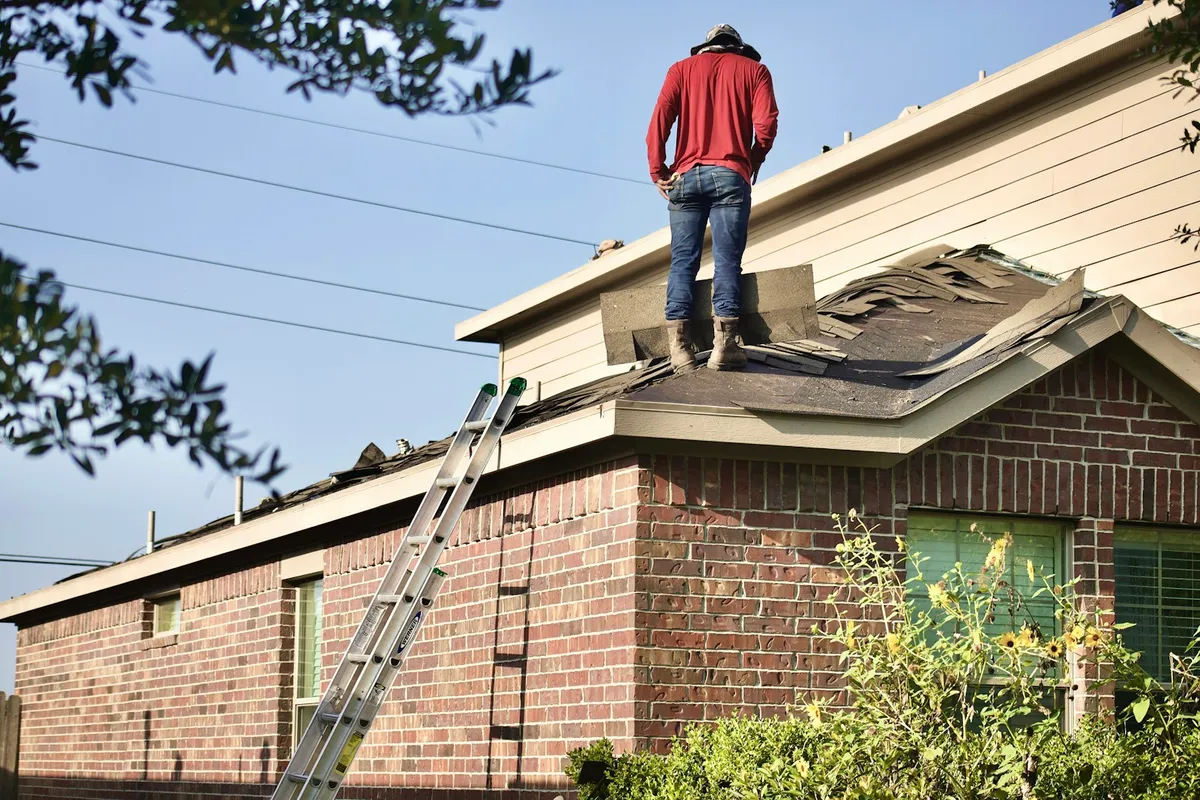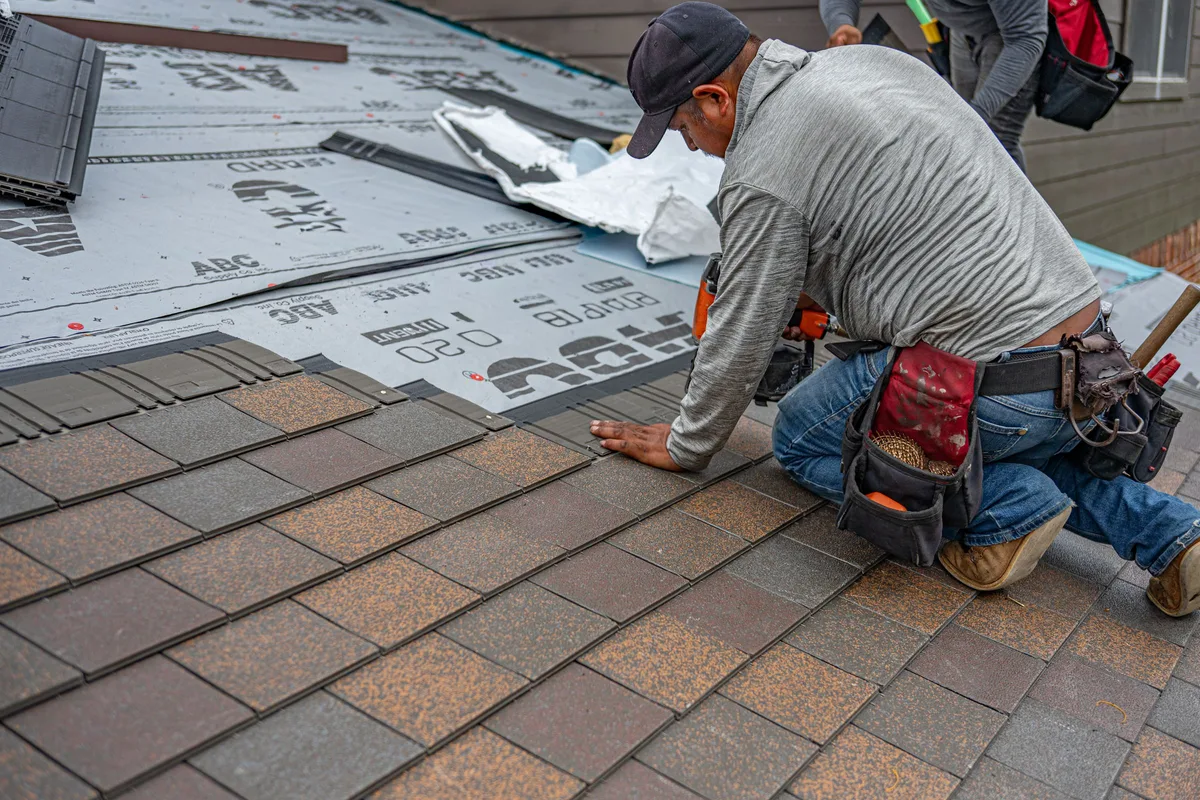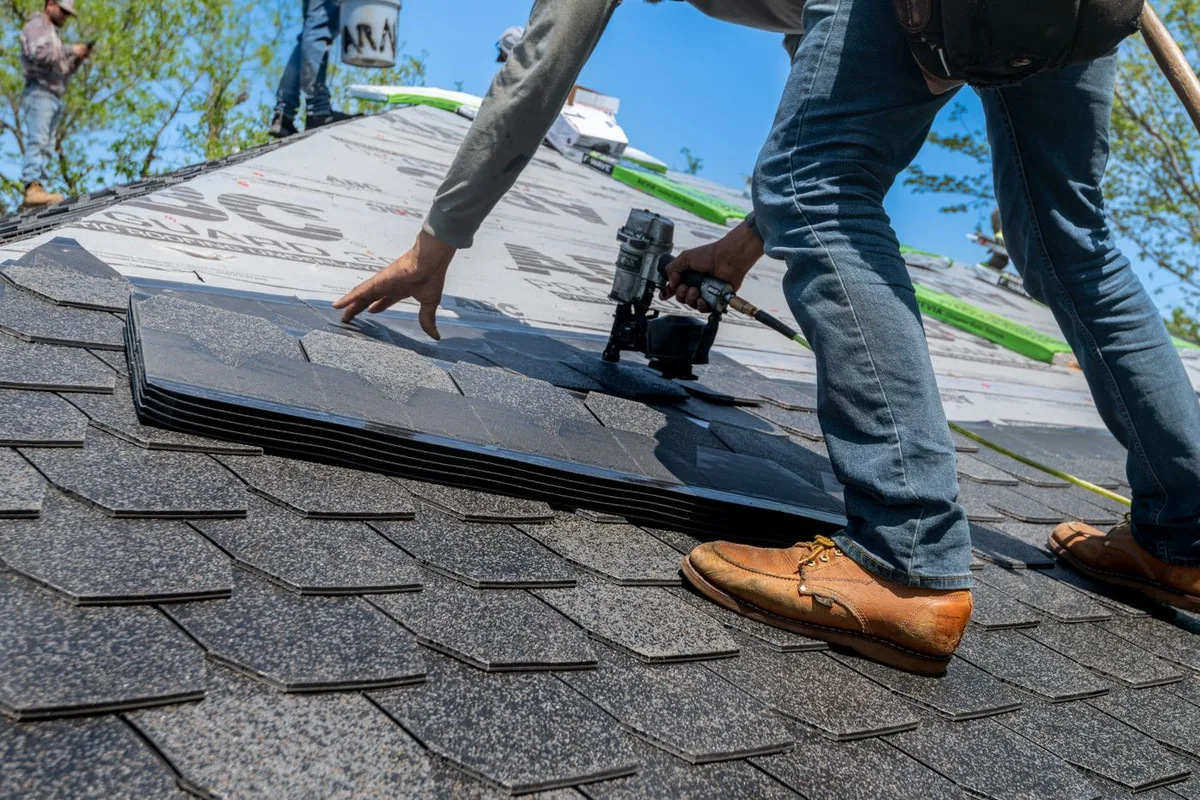
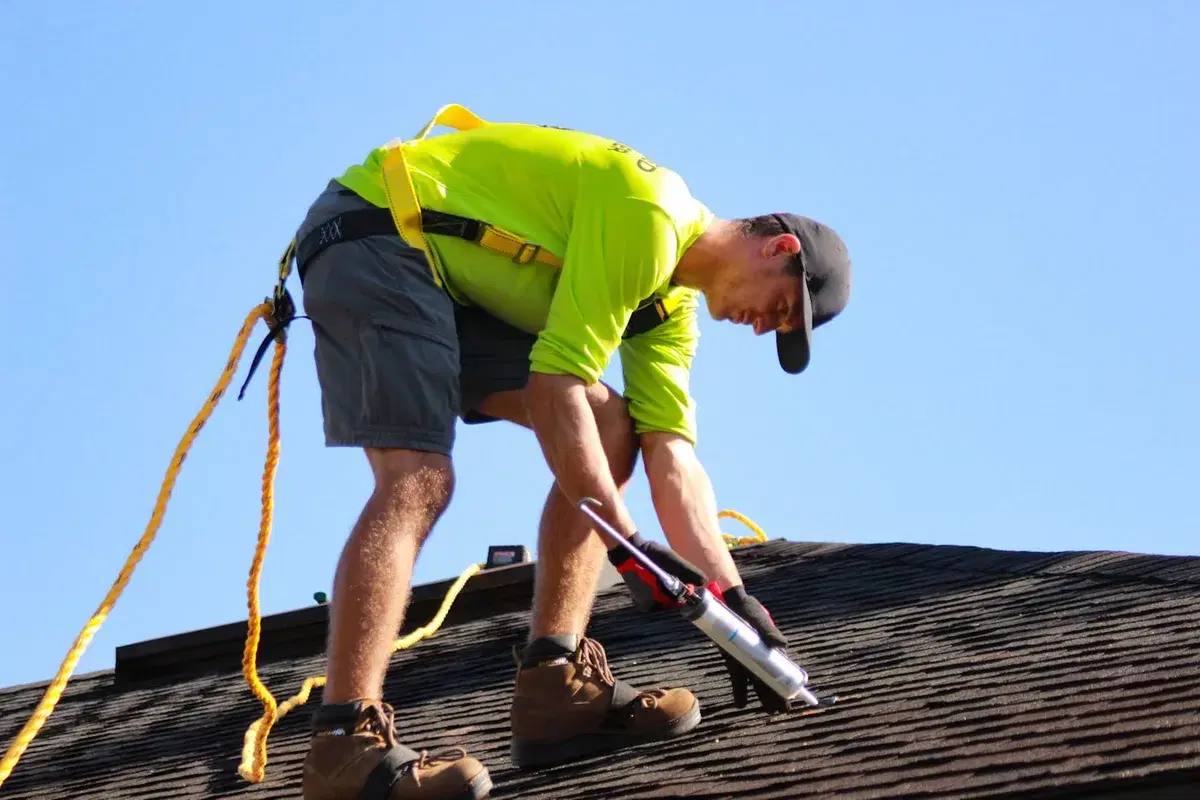
Minor roof repair covers small, contained fixes: a handful of damaged shingles, a lifted piece of flashing, a cracked vent boot, or a single leak point. For Stony Brook homeowners, catching these early is what keeps a repair from becoming a replacement.
Long Island roofs take a beating. Coastal wind, nor'easters, freeze and thaw cycles, and heavy summer sun all work on the same weak points year after year. This breakdown covers what qualifies as a small repair, the signs to watch, what drives cost, and when the job needs a professional.
Minor Roof Repair: Fix Small Problems Before They Get Worse
A minor roof repair addresses localized damage on an otherwise sound roof. Think isolated shingles, one flashing seam, a vent boot, or a small leak with a clear entry point and no decking rot underneath.
Leaks remain common enough to take seriously. According to the 2023 American Housing Survey from HUD and the U.S. Census Bureau, 4.4 percent of American households reported roof leaks, down from 7.6 percent in 1973 but still millions of homes each year.
What Is Considered a Minor Roof Repair?
Scope defines the category. If the affected area covers a small section, the deck below is dry and solid, and the rest of the roof has remaining service life, the work qualifies as a minor repair.
Typical examples include replacing wind-lifted shingles, resealing a flashing joint at a chimney or wall, swapping a cracked plumbing vent boot, refasting loose ridge cap, and correcting exposed nail heads. Each is a contained fix, usually completed in one visit.
Can a Small Roof Leak Be Repaired?
Yes. Most small leaks trace back to a single failed component rather than the roof system as a whole. Correcting that component and verifying the deck beneath it resolves the problem.
Expert tip: photograph the interior stain and note the weather that produced it. A leak that appears only during wind-driven rain points to flashing or siding. One that shows up after snowmelt points to ice damming. That single detail shortens diagnosis considerably.
Signs Your Roof Needs a Minor Repair
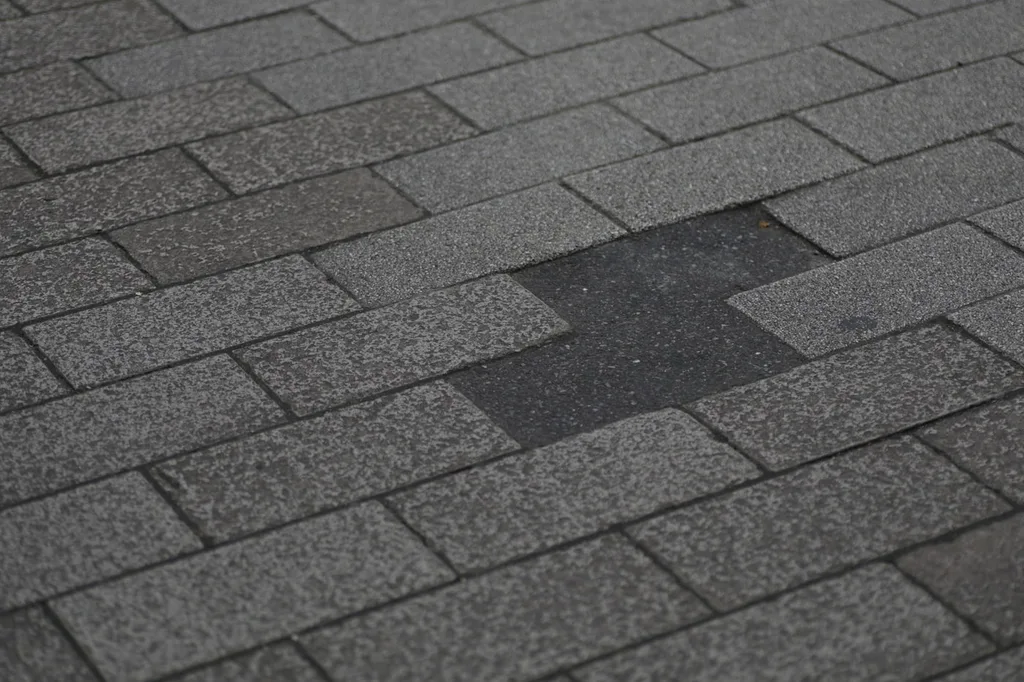
Watch for granules in the gutters, curling or missing shingles, dark ceiling stains, damp attic insulation, rust streaks around vents, and daylight visible at a penetration. Any one of these justifies an inspection.
Severe weather keeps producing these signs. NOAA's National Centers for Environmental Information counted 27 separate billion-dollar weather and climate disasters across the United States in 2024, including 17 severe storm events and two winter storms.
Can Damaged or Missing Shingles Be Repaired?
Yes. Individual shingles are replaceable when the surrounding field is in good condition and a reasonable color match exists. Repair beats replacement whenever the damage stays localized.
Walk this list after any significant Stony Brook storm:
- Scan the roof from the ground with binoculars for missing or lifted tabs
- Check gutters and downspouts for heavy granule accumulation
- Look for shingle debris in the yard or along the foundation
- Inspect attic sheathing for damp spots, staining, or daylight
- Examine flashing at chimneys, walls, skylights, and vents
- Note any sagging along the ridge or between rafters
- Photograph everything you find, with dates, for your records
Documentation matters beyond the repair itself. Dated photos support insurance claims and give a contractor an accurate starting point before anyone climbs a ladder.
Can Minor Roof Damage Lead to Bigger Problems?
Yes, and quickly. Water entering through one small opening travels along rafters, soaks insulation, degrades sheathing, and eventually reaches drywall and framing. The repair grows every month it waits.
Consider a hypothetical Stony Brook colonial with three missing shingles after a February nor'easter. The homeowner waited until spring. By then the deck below had rotted and the insulation was saturated. A one-visit shingle repair had turned into decking replacement and interior work.
How Much Does Minor Roof Repair Cost?
Cost tracks scope, access, and materials. Replacing a few shingles sits at the low end. Flashing rebuilds, skylight seals, and repairs involving compromised decking cost more because the work extends past the visible damage.
Ventilation quietly affects that math. ENERGY STAR guidance on attic ventilation explains that winter airflow keeps the attic cold and reduces ice damming, while summer airflow moves super-heated air out and protects roof shingles from premature aging.
How Much Does a Small Roof Repair Cost?
Four factors move the number: the size of the affected area, roof pitch and access difficulty, whether decking underneath needs replacement, and the material being matched. Steep or multi-slope Stony Brook homes require more setup time.
Always get the scope in writing. A written estimate that lists materials, labor, and what happens if hidden damage appears protects you from mid-job surprises. Reviewing the roof repair and inspection process before scheduling helps you compare estimates on equal terms.
How Long Does a Minor Roof Repair Take?
Most small repairs finish within a few hours in a single visit. Shingle replacement, boot swaps, and flashing reseals are straightforward once a crew is on the roof with the right materials.
Weather drives the schedule more than labor does. Sealants and adhesives need dry conditions and moderate temperatures to bond properly, so Long Island winters and rainy stretches occasionally push a repair back a day or two.
When to Call a Professional Roof Repair Contractor
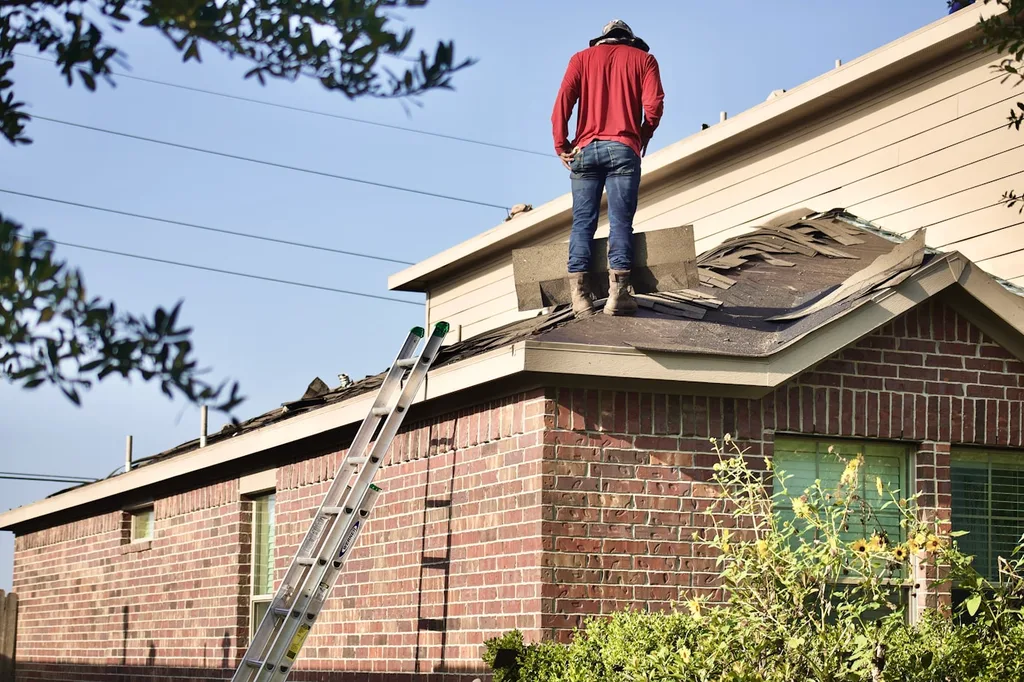
Call a professional when you see interior staining, when damage sits near a chimney or skylight, when the roof is steep, or when a storm has passed through. Roof work carries real fall risk.
Attic conditions are part of any correct diagnosis. The Building America Solution Center at Pacific Northwest National Laboratory notes that ventilating an unconditioned attic saves energy in summer, prevents mold and rot from winter moisture, and helps prevent ice dam damage.
Should I Repair Minor Roof Damage Immediately?
Yes. Small openings admit water at every rainfall, and Long Island gets plenty. Prompt repair also preserves manufacturer warranty coverage, which can lapse when damage is left unaddressed.
Run the SMALL Check before you decide how urgent a problem is:
- S for Scope: how large is the affected area
- M for Moisture: is there any attic staining or damp insulation
- A for Age: how much service life does the roof have left
- L for Layers: is the decking below sound or compromised
- L for Local weather: is a storm system in the forecast
Two or more concerns means schedule now rather than later. A repair that is minor today is rarely minor after another season of water intrusion.
What Happens After Storm Damage?
Storm damage often looks minor from the driveway while hiding lifted shingles, cracked seals, and displaced flashing. A full inspection separates cosmetic marks from actual entry points.
Insurance timelines reward speed. Documented photos, an inspection report, and a written scope submitted early strengthen a claim considerably. Professional storm damage roof repair includes that documentation as part of the work.
Frequently Asked Questions
How do I know if my roof needs repair or replacement?
Repair fits localized damage on a roof with remaining service life. Replacement makes sense when leaks appear in several locations, shingles are curling across the whole roof, or the deck shows widespread deterioration.
Can I repair a roof leak myself?
Sealant applied from above often traps water instead of stopping it, and roof work carries genuine fall risk. Proper repair requires lifting shingle courses and installing flashing in the correct order to shed water.
Does homeowners insurance cover minor roof repair?
Coverage typically applies to sudden damage from storms rather than wear and age. Policies vary, so document the damage with dated photos and review your deductible before deciding whether filing a claim makes sense.
How often should a roof be inspected in Stony Brook?
Twice a year is the practical standard, once in spring and once in fall, plus a check after any nor'easter or significant wind event. Early detection is what keeps repairs small and affordable.
Conclusion
Minor roof repair protects the biggest investment on your Stony Brook home for a fraction of what neglect costs. Watch the gutters, check the attic after heavy rain, document what you find, and act on damage while it is still contained to a single spot.
Tom Jannace Roofing, Inc. provides residential roof repair and inspection, storm damage roof repair, skylight repair, and attic ventilation for homeowners throughout Stony Brook, NY. The GAF-certified crew is licensed, insured, and uses no subcontractors. Call (631) 751-4734 for a free inspection and an honest written estimate.