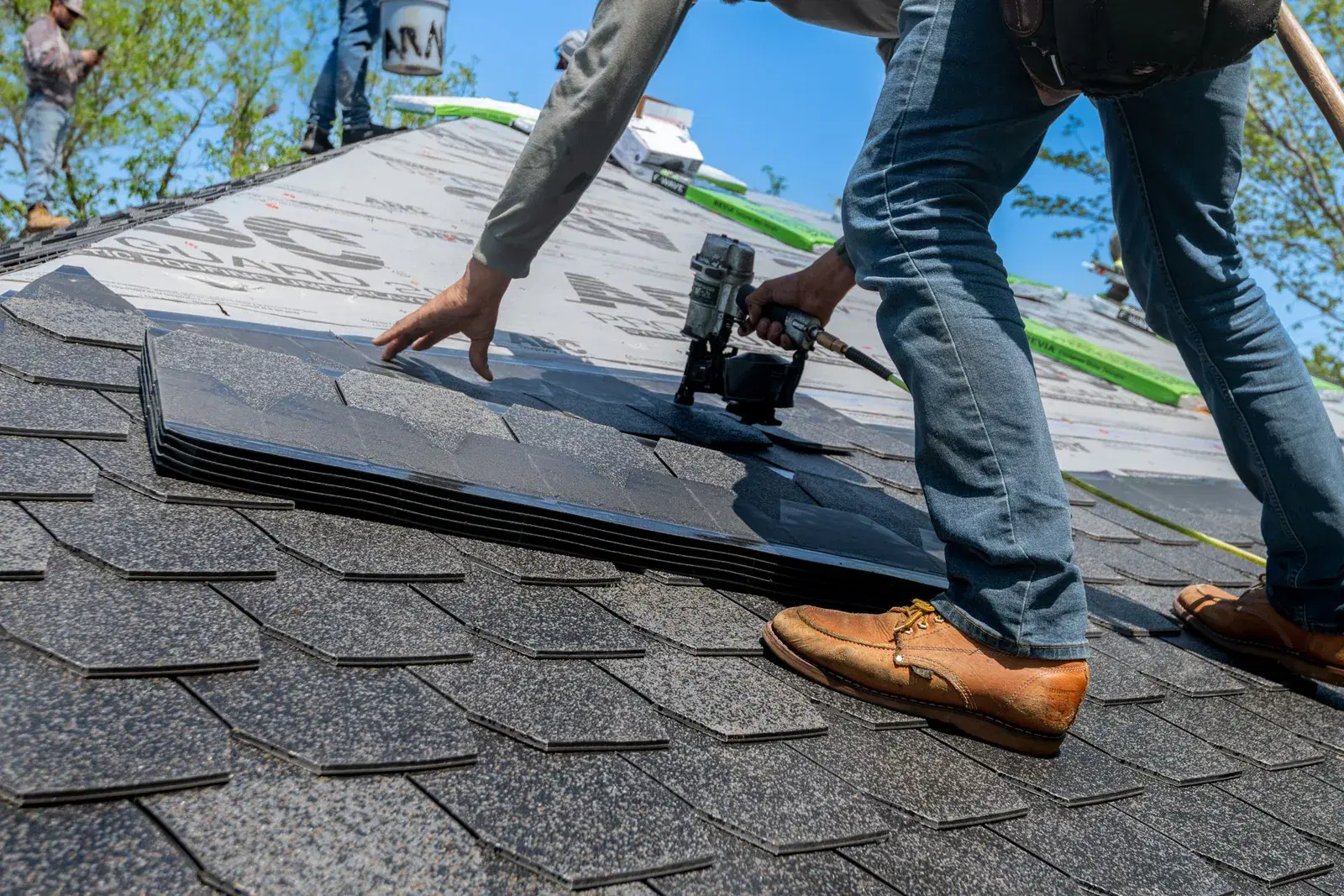
Roof flashing repair is one of the most important and most overlooked maintenance tasks for Kings Park homeowners. Flashing seals the joints and transitions on a roof where water intrusion is most likely to occur, including around chimneys, skylights, vents, and roof-wall intersections. When flashing fails, water enters, and the damage spreads fast.
Kings Park homes face a particular challenge. Long Island's coastal climate brings nor'easters, freeze-thaw cycles, and heavy seasonal rain that test roofing systems year after year. Understanding what flashing does, how it fails, and when to repair it allows homeowners to protect their investment before a small leak becomes a structural problem.
What Is Roof Flashing and Why Is It Important?
Roof flashing is thin metal or composite material installed at joints, transitions, and penetrations across a roof system. Its single purpose is to direct water away from vulnerable openings before it can reach the roof deck, insulation, or interior structure.
The U.S. Department of Energy's Building Science Education program confirms that roof flashing is a critical component of any water-managed roof assembly, and that improper or missing flashing around penetrations and intersections is a primary cause of significant interior water damage and mold growth.
Identifying Water Damage Around Flashing
The clearest early indicator of failed flashing in Kings Park homes is a water stain on a ceiling or interior wall that appears after rain. These stains often develop near chimneys, skylights, or dormers, which are the highest-risk flashing locations on most residential roofs.
Homeowners should also check the attic after heavy rain for wet insulation, dark staining on rafters, or visible daylight around penetration points. Water entry through flashing often travels several feet along rafters before dripping, meaning the visible stain inside the home is rarely directly below the actual leak.
Chimney Flashing Repair Solutions
Chimney flashing involves multiple components working together: base flashing, step flashing along the sides, and counter flashing embedded into the chimney's mortar joints. Any single component failing creates an entry point for water that Kings Park homeowners may not discover until interior damage is already visible.
Mini case study: A Kings Park homeowner noticed a recurring ceiling stain in a second-floor bedroom after every significant rainstorm. An inspection revealed that the counter flashing on the chimney had pulled away from the mortar joint, creating a gap that allowed wind-driven rain to enter. Resealing and resetting the counter flashing resolved the leak at a fraction of the cost of what ceiling and insulation remediation would have required had it continued.
Signs Your Roof Flashing Needs Repair
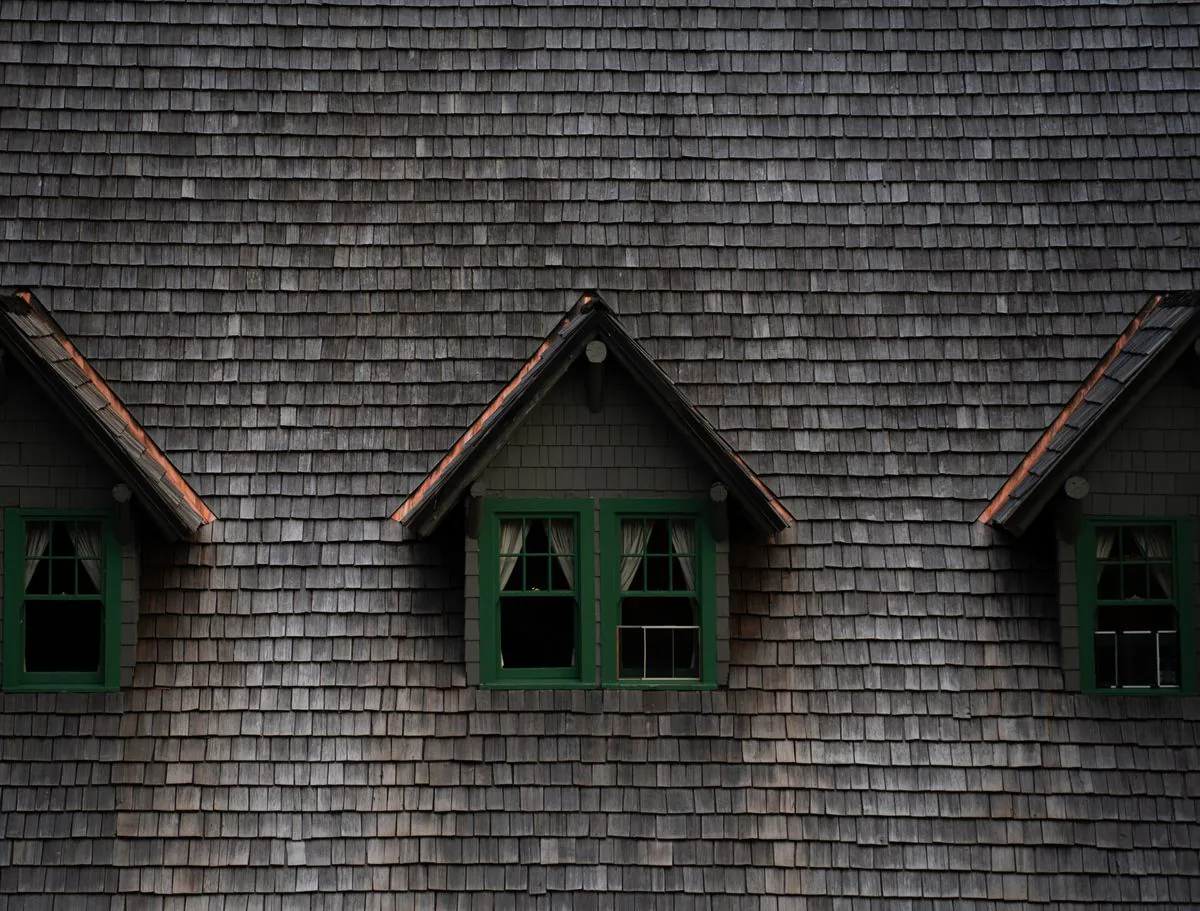
Damaged roof flashing shows clear warning signs that Kings Park homeowners can identify before calling a professional. Rust stains running down siding below a roof-wall intersection, peeling paint on interior ceilings near chimneys or skylights, and visible bends or separations in metal flashing visible from the ground all indicate active or imminent failure.
According to national roofing industry data, flashing-related defects account for over 80% of documented roof leak investigations. This figure reflects how commonly flashing is the root cause of leaks that homeowners initially attribute to missing or damaged shingles.
Materials Used for Roof Flashing
Flashing materials used on Kings Park homes include galvanized steel, aluminum, copper, and lead-coated copper. Galvanized steel is the most common choice for residential asphalt shingle roofs due to its balance of durability and cost. Copper offers superior longevity but comes at a higher material cost.
The U.S. Department of Energy's Building Science Education resource on step flashing at roof-wall intersections specifies that flashing should be made from corrosion-resistant metal and extend at least four inches up the wall from the roof deck and at least four inches out along the roof deck to provide adequate water protection.
Preventative Roof Maintenance Practices
Preventative maintenance is the most effective approach to avoiding flashing failure in Kings Park. Seasonal inspections catch sealant degradation, rust formation, and lifted or separated flashing before water finds its way into the structure.
A practical Kings Park homeowner flashing maintenance checklist:
- Inspect visible flashing from the ground after every major storm
- Check attic for moisture, staining, or daylight around penetration points each season
- Clear debris from valleys and gutters that can hold water against flashing edges
- Look for rust streaks on siding below roof-wall intersections
- Note any interior ceiling discoloration after rain events
- Schedule a professional inspection if any of the above is observed
Common Causes of Roof Flashing Damage
Roof flashing in Kings Park fails for predictable reasons. Thermal expansion and contraction from Long Island's freeze-thaw cycles cause metal flashing to shift over time, breaking sealant bonds at joints. Wind-driven rain during nor'easters forces water into gaps that are too small to see during a visual inspection from the ground.
According to Remodeling Magazine's Cost vs. Value report, professional attention to flashing and roofing system integrity consistently produces measurable returns on home value. Kings Park homeowners who defer flashing repair typically face larger remediation costs when water damage spreads to decking, insulation, and interior finishes.
How Weather Impacts Roof Flashing
Kings Park's coastal Long Island climate places roofing systems under significant seasonal stress. Winter ice dams force water under flashing that is no longer fully sealed. Summer heat causes sealant to dry, crack, and separate from metal surfaces. Fall storms deliver high-volume rain that tests every transition point on the roof simultaneously.
Expert tip: The period immediately following a major storm is the most important time to inspect flashing. Water entry often goes unnoticed for weeks after storm events because minor leaks evaporate between rain cycles. A post-storm interior check of the attic and ceilings catches active infiltration before it becomes hidden structural damage.
Vent Pipe and Skylight Flashing Issues
Vent pipe boots and skylight flashing are two of the most frequently repaired flashing types on Kings Park homes. Rubber vent boots crack and shrink with age, creating gaps around pipe penetrations. Skylight flashing fails when the butyl tape or sealant between the frame and the flashing system degrades.
The U.S. Department of Energy's Building Science Education resource on flashing around skylights confirms that skylights represent a weak spot in a roof's water control layer and that proper flashing integration with underlayment and shingles is essential to prevent future leaks, particularly during reroofing work.
Roof Flashing Repair vs Replacement
Roof flashing repair is appropriate when damage is localized to a specific section of flashing and the surrounding roofing material is intact. Replacement is necessary when the flashing itself is severely corroded, bent beyond resetting, or when the adjacent shingles and underlayment are also compromised.
Deciding between repair and replacement requires a professional inspection of the full flashing system, not just the visible leak point. Water entry through one section of failed flashing often indicates that adjacent sections are under similar stress and approaching the same failure point.
Emergency Roof Leak Repair Tips
Kings Park homeowners facing an active roof leak while waiting for professional service can take steps to limit interior damage. Place buckets to catch dripping water and lay plastic sheeting over flooring and furniture below the affected ceiling. Avoid applying temporary sealant from inside the attic without professional guidance, as incorrect application can trap moisture and accelerate wood rot.
The priority in any emergency is to prevent secondary damage to insulation, drywall, and structural framing while a licensed roofer assesses the source. Interior water damage is always more extensive than it appears from below.
The Cost of Roof Flashing Repair
Roof flashing repair in Kings Park typically falls between $200 and $600 for localized repairs, with more extensive work around chimneys or skylights ranging from $500 to $1,500 depending on scope, access difficulty, and material choice. These ranges reflect national averages that apply across Long Island.
Explore the full roofing repair and inspection services available across Kings Park and Suffolk County to understand what each type of flashing repair involves and how to get a free professional estimate.
Extending the Lifespan of Your Roof System
Introducing the FLASH Check Framework, an original methodology for Kings Park homeowners to evaluate flashing condition at any season:
- F — Find all flashing locations: chimney, skylights, vents, valleys, and wall intersections
- L — Look for rust, separation, bends, or missing sealant at each location
- A — Assess the interior: check attic and ceilings after rain for moisture or staining
- S — Schedule inspection if any single point fails the visual check
- H — Hire a licensed roofer immediately if active water entry is confirmed
Running this check twice annually, in spring after freeze-thaw season and in fall before winter storms, gives Kings Park homeowners the earliest possible warning of developing flashing problems.
When to Call a Professional Roofer
Kings Park homeowners should call a professional roofer as soon as interior water staining, visible rust on flashing, or separation at any roof joint is detected. Delayed action consistently converts a simple flashing repair into a larger project involving decking, insulation, or mold remediation.
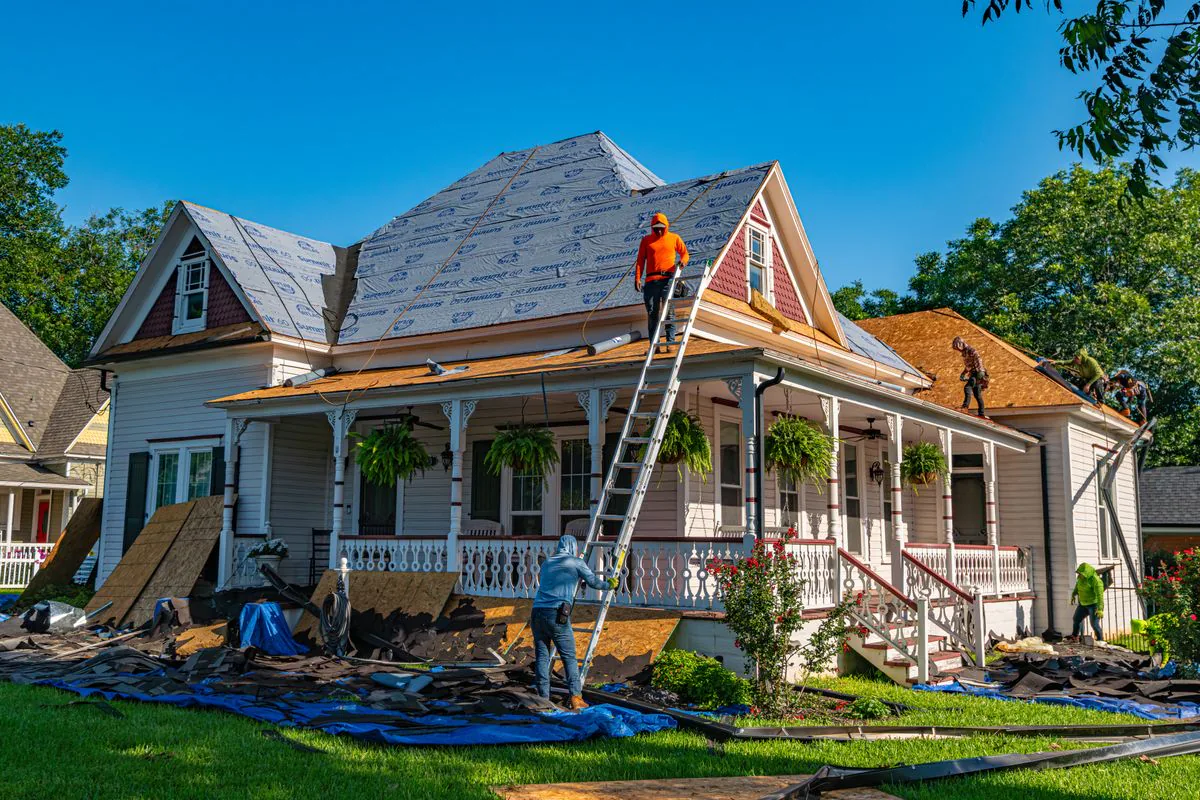
For Kings Park residents, the dedicated roofing service page covers specific local considerations and provides a direct starting point for scheduling a free inspection. Local experience matters when assessing flashing on homes that have weathered decades of Long Island coastal conditions.
Frequently Asked Questions
How do I know if my roof flashing is leaking? The most common indicators are water stains on ceilings or walls near chimneys, skylights, or dormers after rain. Rust streaks on siding below roof-wall intersections and wet or discolored attic insulation also confirm active flashing failure. A professional inspection locates the exact entry point.
Can roof flashing be repaired without replacing the whole roof? Yes. Flashing repair is almost always a standalone service. When the surrounding shingles and decking are in good condition, a licensed roofer can reseal, reset, or replace only the failed flashing section without disrupting the rest of the roof system.
How long does roof flashing last on Long Island homes? Galvanized steel and aluminum flashing typically last 20 to 30 years under normal conditions. Coastal Long Island homes exposed to salt air and freeze-thaw cycles may experience shorter service life. Copper flashing lasts considerably longer, often 50 years or more, but costs more upfront.
What happens if I ignore damaged flashing? Ignoring damaged flashing allows water to reach roof decking, insulation, and framing, where it accelerates wood rot and mold growth. Repairs that cost a few hundred dollars become remediation projects costing thousands when structural components are affected. Early repair is always the lower-cost outcome.
Conclusion
Roof flashing repair in Kings Park protects homes from the water damage that Long Island's climate consistently delivers through storms, ice cycles, and wind-driven rain. Recognizing the signs early, understanding where flashing fails, and acting before water reaches the roof deck are the decisions that separate a simple repair from a major structural problem.
Tom Jannace Roofing provides residential roof repair and inspection services across Kings Park and all of Suffolk County, with free inspections, honest estimates, and no subcontractors. Kings Park homeowners dealing with skylight-related flashing leaks can review the skylight installation and repair services page for specifics, or call (631) 751-4734 to schedule a free inspection today.