
Why Is My Roof Leaking? Causes & Repair Solutions
Why is my roof leaking? This question concerns homeowners facing water stains on ceilings, attic moisture, or visible damage after storms. Roof leaks stem from multiple sources including damaged shingles, failed flashing, clogged gutters, and weather-related deterioration requiring prompt identification and professional repair.
Understanding roof leak causes extensive water damage, structural deterioration, and costly emergency repairs. According to the National Association of Home Builders, roofing issues rank among the most common home maintenance concerns requiring professional intervention. Identifying leak sources early, recognizing warning signs, and knowing when professional help becomes necessary protects your home investment and family safety.
Table of Contents
- Common Reasons Your Roof Is Leaking
- How to Identify a Roof Leak Early
- Weather-Related Causes of Roof Leaks
- Signs You Need Professional Roof Repair
- When a Roof Leak Becomes an Emergency
- FAQ
- Conclusion
Common Reasons Your Roof Is Leaking
Roof leaks develop from various failure points in roofing systems, ranging from material deterioration to installation defects. Understanding common causes helps homeowners identify problems before minor issues escalate into major damage.
Roofs leak due to damaged shingles, failed flashing around chimneys and vents, clogged gutters causing water backup, aging materials, skylight installation problems, and compromised pipe boots allowing water infiltration.
Damaged or Missing Shingles
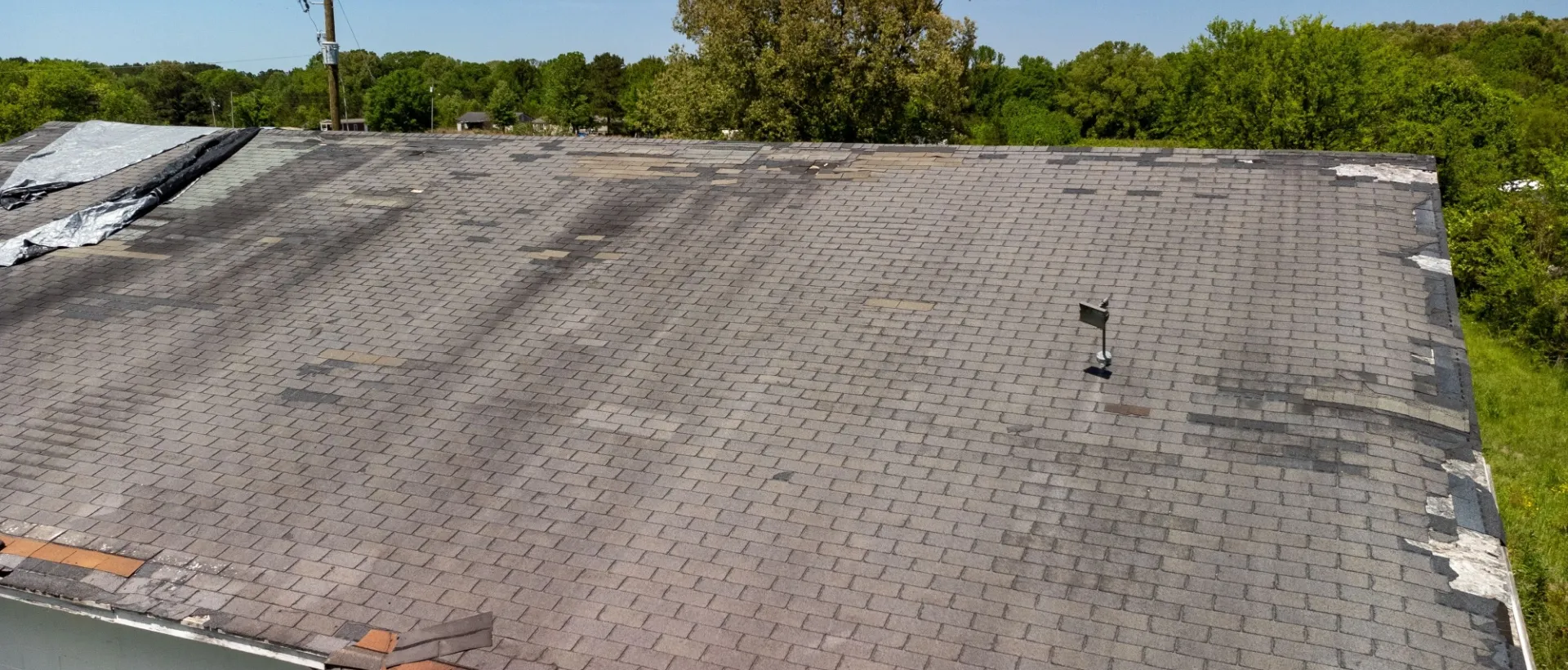
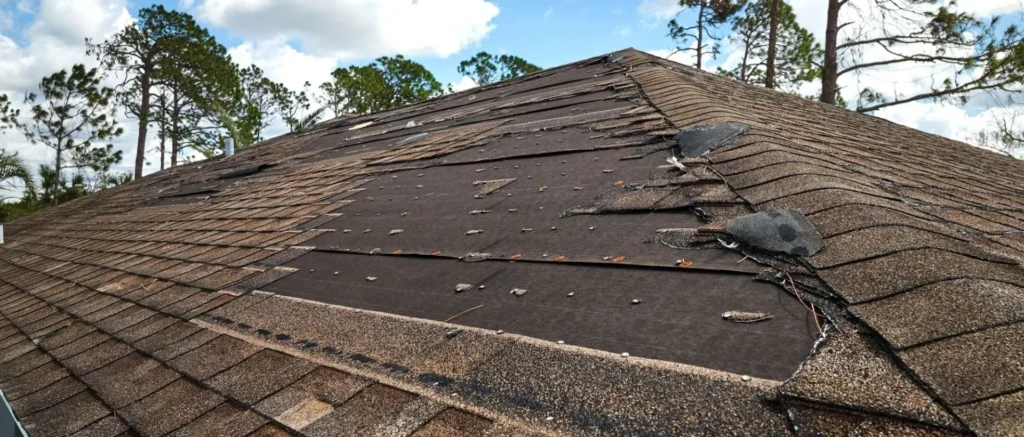
Shingle damage represents the most visible and common roof leak cause. Wind, hail, falling branches, and age-related deterioration crack, curl, or completely remove shingles, exposing underlayment and decking to water penetration. Even small shingle damage creates entry points for moisture during rain events.
Missing shingles leave obvious gaps in roof protection, while cracked or curled shingles may appear intact from ground level but fail during storms. People often ask how quickly shingle damage causes leaks—this depends on severity and weather exposure, but any compromised shingle warrants immediate inspection.
Failed Flashing Around Chimneys or Vents
Flashing creates watertight seals where roofing materials meet vertical surfaces like chimneys, vent pipes, and skylights. Metal flashing deteriorates over time through rust, thermal expansion cycles, and improper installation. Roof flashing problems cause concentrated leaks around these penetrations.
Chimney flashing failures commonly produce roof leak around chimney situations during heavy rain. The stepped flashing and counter-flashing system requires precise installation and periodic maintenance. Similarly, roof leak around skylight issues stem from deteriorated flashing or improper installation during original construction.
Expert Tip: Inspect flashing annually before winter weather arrives. Look for rust stains, separated seams, or gaps between flashing and masonry. Early flashing repairs prevent extensive interior water damage and costly structural repairs.
How to Identify a Roof Leak Early
Early leak detection minimizes damage and repair costs. Recognizing warning signs before obvious ceiling stains appear allows proactive intervention protecting home interiors and structural integrity.
Identify roof leaks early through attic inspections revealing water stains or moisture, checking for missing shingles after storms, monitoring ceiling discoloration, and noticing musty odors indicating hidden moisture accumulation.
The TRACE Framework for Leak Detection
Systematic leak identification requires a structured approach. The TRACE Framework provides homeowners methodical detection process: Trace water stains backward, Review attic regularly, Assess exterior shingles, Check flashing integrity, Examine after every storm.
Trace water stains from ceiling damage upward through the attic to identify roof entry points. Review the attic quarterly for moisture, stains, or daylight visible through the roof. Assess exterior shingles using binoculars for damage. Check flashing around all penetrations for separation or deterioration. Examine after storms for new damage requiring immediate attention.
Checklist for Early Roof Leak Detection:
- Inspect attic after heavy rain for water stains or dampness
- Check ceilings and walls for discoloration or bubbling paint
- Monitor for musty odors indicating hidden moisture
- Examine shingles from ground using binoculars after storms
- Look for granule loss in gutters indicating shingle deterioration
- Check flashing around chimneys, vents, and skylights
- Verify gutters drain properly without overflow
- Inspect for sagging roof sections suggesting structural issues
- Notice increased energy bills from compromised insulation
- Document any changes with photos for professional evaluation
Attic Moisture, Condensation, and Ventilation Issues
Not all attic moisture stems from exterior leaks. Poor ventilation creates condensation mimicking leak symptoms through moisture accumulation on rafters and insulation. Attic leak inspection must distinguish between actual roof penetration and ventilation-related condensation.
Proper attic ventilation balances intake and exhaust airflow preventing moisture buildup. Inadequate ventilation causes warm interior air to condense on cold roof decking, creating water damage identical to leak-caused deterioration. Professional inspection determines whether moisture results from roof failure or ventilation deficiency.
Weather-Related Causes of Roof Leaks
Suffolk County weather patterns create specific roof leak challenges. Understanding regional climate impacts helps homeowners anticipate vulnerabilities and schedule preventive maintenance appropriately.
Weather causes roof leaks through ice dams blocking drainage, wind-driven rain penetrating shingles, hail impact damage, snow load stress, and rapid freeze-thaw cycles deteriorating roofing materials over time.
Ice Dams and Winter Weather Damage
Ice dams form when heat escaping through inadequate attic insulation melts roof snow. Meltwater refreezes at roof edges creating ice barriers preventing proper drainage. Trapped water backs under shingles causing interior leaks despite intact roofing materials.
Roof leaks after heavy snow often result from ice dam formation rather than direct roof damage. Preventing ice dams requires adequate attic insulation, proper ventilation, and sometimes heat cable installation along roof edges. According to the Insurance Information Institute, ice dam damage represents significant winter roof failure caused in northern climates.
Storm Damage From Wind, Rain, or Hail
Severe weather inflicts immediate roof damage requiring emergency roof repair. High winds lift shingles, blow off ridge caps, and deposit debris damaging roof surfaces. Hail creates divots weakening shingle integrity even without immediately visible penetration. Storm damage roof repair addresses both obvious destruction and subtle compromise.
Mini Case Study: The Martinez family noticed small water spots on their bedroom ceiling after a severe thunderstorm. Initial inspection revealed no obvious exterior damage. Professional evaluation discovered that wind had lifted several shingles, breaking the seal and allowing roof leaking in heavy rain to penetrate underlayment. The subtle damage went unnoticed from ground level but caused progressive water infiltration during subsequent rain events. Timely professional repair prevented extensive interior damage.
Signs You Need Professional Roof Repair
Certain roof leak situations exceed DIY capability, requiring licensed contractor expertise. Recognizing when professional intervention becomes necessary prevents inadequate repairs that compound problems.
Professional roof repair becomes necessary when leaks persist despite temporary fixes, multiple leak locations appear, structural damage occurs, flashing requires replacement, or leak sources remain unidentifiable without specialized equipment.
Temporary Fixes vs. Permanent Roof Repairs
Emergency tarps and sealant applications provide temporary leak mitigation during storms or while scheduling professional repairs. These stopgap measures prevent immediate damage but cannot substitute for proper leaking roof repair addressing root causes.
Permanent repairs require proper material removal, substrate evaluation, code-compliant installation, and weatherproofing that temporary measures cannot achieve. Relying on temporary fixes long-term accelerates deterioration, increases eventual repair costs, and voids manufacturer warranties on roofing materials.
When to Call a Licensed Roofing Contractor
Professional evaluation becomes essential when leak sources remain unclear despite obvious interior water damage. Multiple simultaneous leaks suggest systemic roof failure rather than isolated problems. Structural concerns including sagging, rotted decking, or compromised framing require immediate expert assessment.
Licensed contractors possess diagnostic equipment including moisture meters, infrared cameras, and specialized inspection tools identifying hidden damage. Their expertise determines whether spot repairs suffice or complete roof replacement becomes a more cost-effective long-term solution.
When a Roof Leak Becomes an Emergency
Some leak situations demand immediate professional response preventing catastrophic damage or safety hazards. Understanding emergency thresholds helps homeowners prioritize response appropriately.
Roof leaks become emergencies when active water pours through ceilings, structural sagging appears, electrical hazards develop from water contact, or severe storm damage creates immediate exposure requiring emergency roof repair services.
Roof Leaks After Heavy Snow or Nor’easters
Nor’easters and heavy snowfall create unique emergency scenarios in Suffolk County. Rapid accumulation exceeds design load capacity, while wind-driven snow finds entry points through normal roof defenses. Combined ice dams and driving precipitation overwhelm drainage systems.
Emergency response during active storms requires professional assessment of structural integrity and temporary protection installation. Post-storm evaluation documents damage for insurance claims while preventing progressive deterioration from compromised roof systems.
FAQ
What causes most roof leaks in Suffolk County homes?
Suffolk County roof leaks primarily result from storm damage, aging shingles, failed flashing around chimneys and vents, ice dams during winter, and clogged gutters preventing proper drainage. Coastal weather patterns accelerate deterioration requiring proactive maintenance and timely professional inspection.
How long does it take to fix a roof leak?
Simple shingle roof leak repairs typically complete within hours. Complex repairs involving flashing replacement, multiple damage areas, or structural work require one to several days. Emergency roof repair provides temporary protection immediately while scheduling comprehensive permanent repairs addressing all identified issues.
Can I repair a roof leak myself?
Minor emergency repairs like tarp installation provide temporary protection. Permanent leaking roof repair requires professional expertise ensuring proper material installation, code compliance, warranty preservation, and safety. Improper DIY repairs often worsen damage and increase eventual professional repair costs significantly.
When should I replace my roof instead of repairing leaks?
Roof replacement becomes more economical than repairs when multiple leak locations exist, roof age exceeds 20 years, widespread shingle deterioration appears, or structural damage requires extensive decking replacement. Professional inspection provides cost-benefit analysis comparing repair versus replacement investment.
Conclusion
Why is my roof leaking? The answer involves multiple potential causes from damaged shingles and failed flashing to weather-related deterioration and ventilation issues. Early leak identification through systematic inspection, understanding regional weather impacts, and recognizing when professional help becomes necessary protects your home from extensive water damage and costly emergency repairs. Proactive maintenance and prompt professional evaluation when roof leak signs appear ensures lasting protection.
Concerned about roof leaks protecting your Suffolk County home? Tom Jannace Roofing provides expert roof repair and inspection services backed by experience serving the community since 1990. Our GAF-certified team offers free, detailed roof inspections with no-obligation estimates and honest recommendations tailored to your specific needs. Whether addressing storm damage, aging shingles, flashing failures, or skylight leaks, we deliver quality craftsmanship and transparent service. Every appointment includes comprehensive evaluation identifying all leak sources and clear cost breakdowns for recommended repairs. Schedule your free inspection today and discover why Suffolk County homeowners trust Tom Jannace Roofing for lasting roof leak solutions and peace of mind protection.
Latest Posts